What First-Time Home Builders in Columbia Should Know Before Starting
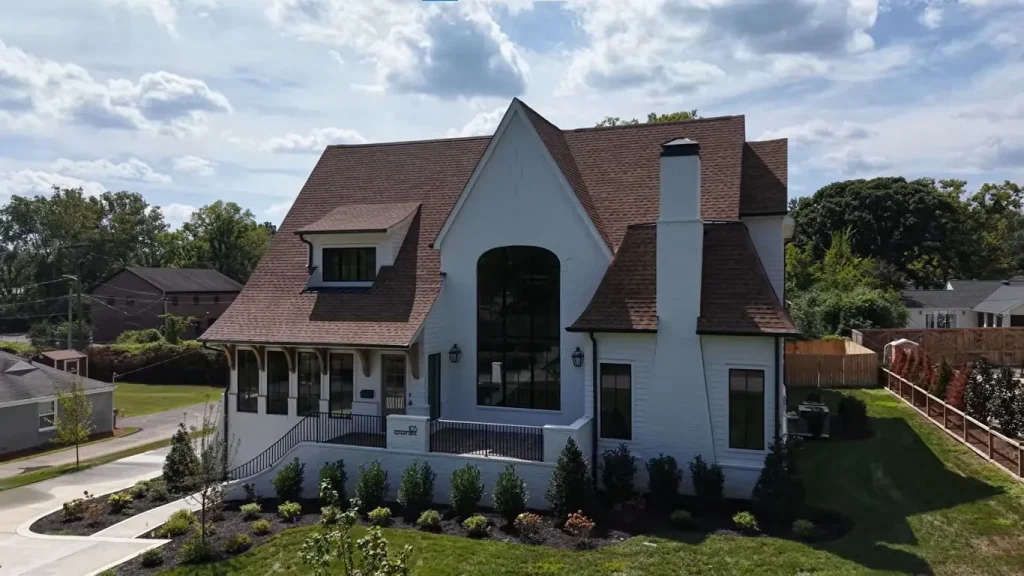
Building a home for the first time in the Columbia area is a different process from buying an existing house. You control the design and finishes, but you also take on decisions about lots, permits, contracts, inspections, and timelines that most first-time buyers never face. The difference between a smooth project and a stressful one often comes down to understanding the local rules and setting realistic expectations early.
Jurisdiction Matters More Than Most People Expect
Columbia sits primarily in Richland County and extends into Lexington County. Unincorporated areas of both counties have their own permitting offices. The City of Columbia handles permits inside city limits through its Development Center and online portal. Richland County and Lexington County each run separate systems.
Before you spend money on plans or a builder, confirm exactly which jurisdiction governs the lot. A parcel that looks like “Columbia” on a map may fall under county rules. Historic or design districts inside the city can add an extra approval step before a building permit is issued. Getting this wrong delays the entire project.
Owner-Builder vs. Hiring a Licensed Builder
South Carolina allows a homeowner to pull a permit and act as their own builder on their primary residence under certain conditions. Local jurisdictions often require a disclosure and limit the ability to sell or rent the home for a period (commonly two years is referenced in county guidance). If you hire others to perform work above statutory thresholds, those trades generally need proper licensing through the South Carolina Residential Builders Commission or related boards.
Most first-time builders are better served by hiring a licensed residential builder who already knows the local inspection sequence, permit portals, and common plan-review comments. When the permit is in the contractor’s name, the contractor—not the homeowner—carries primary responsibility for code compliance during construction. Taking the permit in your own name while hiring unlicensed or poorly coordinated trades creates risk that many first-timers underestimate.
Realistic Cost Ranges
Construction costs in the Midlands vary widely by finish level, lot conditions, and whether the project is production, semi-custom, or fully custom. Published ranges for the Columbia area commonly fall somewhere in the mid-$100s to low-$200s per square foot for more standard builds, with custom and higher-finish work running higher. Land, site work, impact fees, permits, and soft costs (design, engineering, surveys) sit on top of the pure construction number.
A useful planning approach is to treat the published per-square-foot figures as a starting point only. Ask builders for a detailed breakdown that separates structure, systems, finishes, and allowances. A contingency of 5–10% (or more on complex lots) is prudent. Change orders during construction are one of the most common sources of budget overruns for first-time clients.
Timeline Expectations
National Census Bureau data analyzed by the National Association of Home Builders shows single-family homes averaging roughly 8.8 months from authorization to completion in recent reporting. Homes built for sale typically finish faster than contractor-built or owner-built projects. Custom work on a private lot typically takes longer once design, permitting, and site preparation are included.
In the Columbia market, a realistic calendar from signed contract to move-in often runs 10–16 months or more for semi-custom and custom homes, depending on plan complexity, weather, inspection scheduling, and material lead times. Production homes in established communities can move faster because plans are already approved and crews are sequential. Design time, soil testing, and permit review happen before the construction clock starts in earnest.
The Permit and Inspection Sequence
After plans are ready, the builder (or owner-builder) submits for a building permit. Review times vary by jurisdiction and completeness of the package. Richland County guidance has referenced up to about 14 days for some homeowner applications when documentation is complete; city and more complex projects can take longer, especially if corrections are required.
Once the permit is issued, work proceeds through a standard sequence of inspections: temporary power, footings, foundation/slab, framing and rough mechanical/electrical/plumbing, insulation, and finals leading to a certificate of occupancy. The permit holder is responsible for scheduling inspections at the correct stages. Skipping or failing an inspection stops progress until it is corrected.

Key Decisions First-Timers Often Underestimate
Lot selection and soils
Not every lot is equally buildable. Flood zones, setbacks, easements, soil conditions, and utility access affect cost and design. A soils report and survey early in the process prevent expensive surprises.
Design completeness
Incomplete plans slow permitting and create change orders later. Finalize major layout, structural, and systems decisions before breaking ground whenever possible. Selections for finishes can continue on a controlled schedule, but structural changes after framing are costly.
Contract clarity
A good construction contract spells out scope, allowances, payment schedule tied to milestones, change-order process, and what happens if delays occur. Vague allowances are a frequent source of friction.
Climate and performance
Columbia’s hot, humid summers make envelope performance, HVAC sizing, and moisture control practical concerns rather than optional upgrades. Right-sized equipment and attention to air sealing and insulation improve comfort and operating costs for the life of the house.
Communication and documentation
Keep a written record of decisions, selections, and approved changes. Regular site visits and clear channels with the builder reduce misunderstandings.
Practical First Steps
- Confirm the exact jurisdiction of any lot you are considering.
- Decide whether you will work with a licensed residential builder or attempt an owner-builder path (and understand the restrictions).
- Interview builders who regularly pull permits and complete homes in that jurisdiction. Ask about recent similar projects, typical timelines, and how they handle allowances and changes.
- Budget for land, construction, soft costs, and contingency separately.
- Finalize plans sufficiently for permit submission before locking a construction start date.
- Understand the inspection sequence and who is responsible for scheduling.
Building a home in the Columbia area rewards preparation. The local permitting systems are navigable when the right jurisdiction is identified, and complete documents are submitted. Costs and timelines become manageable when they are based on real local ranges rather than national averages or optimistic assumptions. First-time builders who treat the process as a sequence of clear decisions—lot, builder, plans, contract, and contingency—generally finish with fewer surprises and a house that matches what they set out to create.