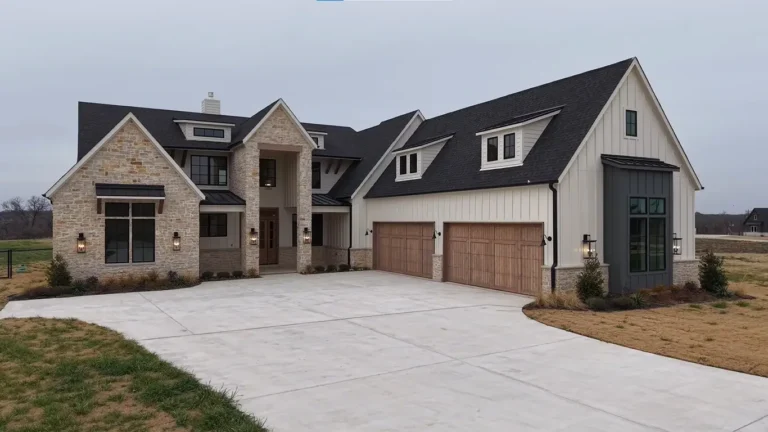
Smart Home Technology Trends for New Construction in South Carolina
When families build a new home in South Carolina today, smart technology is no longer a luxury add-on. It has become part of how modern homes are designed and built. As a local builder working across Columbia and the Midlands, I see buyers asking about connected features earlier in the process than ever before. They want homes that are more convenient, more efficient, and better prepared for the next decade of technology.
Here’s a practical look at the smart home trends that matter most for new construction in South Carolina right now.
1. Structured Wiring Is Still the Foundation
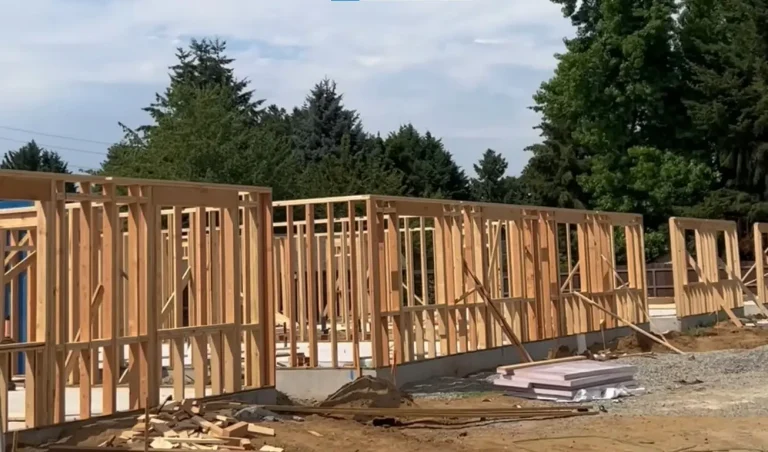
The single most important decision happens while the walls are open. Running Cat6 or Cat6a Ethernet to key locations costs relatively little during construction and becomes expensive later. Best practice in 2026 includes:
- Two or more Ethernet drops in every bedroom and living area
- Extra drops in media rooms, offices, and locations planned for televisions or security cameras
- A structured media panel in a closet or utility space
- Conduit pathways for future upgrades
Wireless systems have improved, but a solid wired backbone still delivers the most reliable performance for security cameras, streaming, home offices, and whole-home control. Many of our clients who skipped this step later wished they had planned for it.
2. Climate Control That Matches South Carolina Weather
Our long, humid summers make smart climate systems especially valuable. Smart thermostats that learn household patterns and allow remote control are now standard in most new homes. More advanced setups go further with:
- Zoned HVAC systems controlled by multiple thermostats
- Integration with ceiling fans and ventilation
- Real-time energy monitoring
These features help keep cooling costs under control and improve everyday comfort. In a climate where air conditioning runs heavily for months, the ability to manage temperature by zone or schedule makes a noticeable difference in both comfort and utility bills.
3. Smart Lighting Done the Right Way
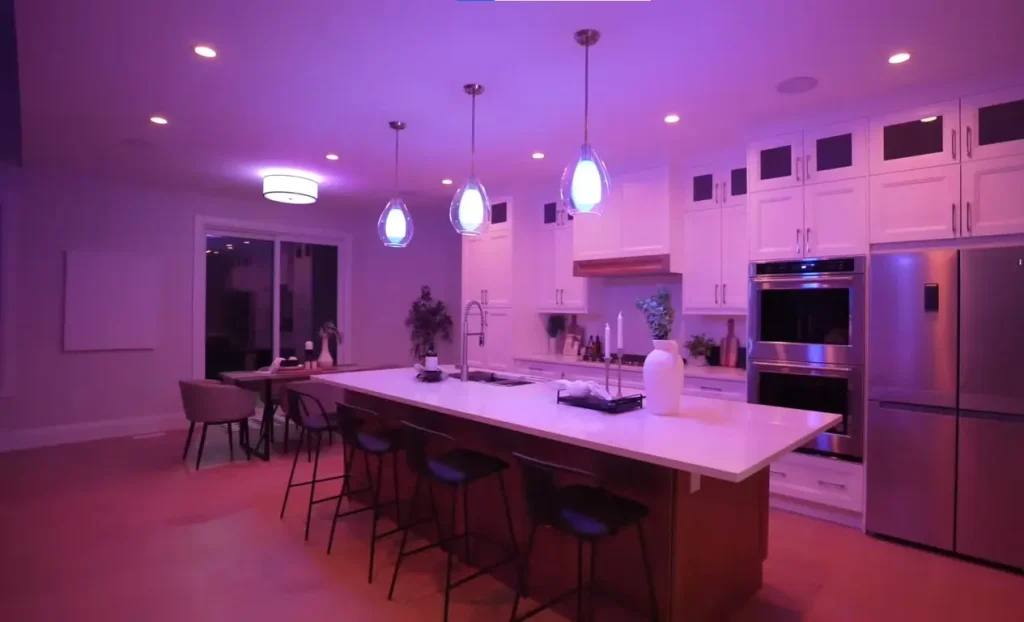
Lighting is one of the most-used smart features. In new construction, the better approach is usually smart switches rather than smart bulbs. Smart switches work with any bulb, remain functional for guests who don’t use apps, and support whole-home scenes and schedules.
Popular options include systems that allow dimming, schedules, and voice control. When planned during construction, neutrals can be pulled to every switch location so the system works cleanly. Many families also add outdoor lighting control for security and evening living spaces.
4. Security and Access That Buyers Expect
Smart security has moved from optional to expected for many buyers. Common features in new South Carolina homes include:
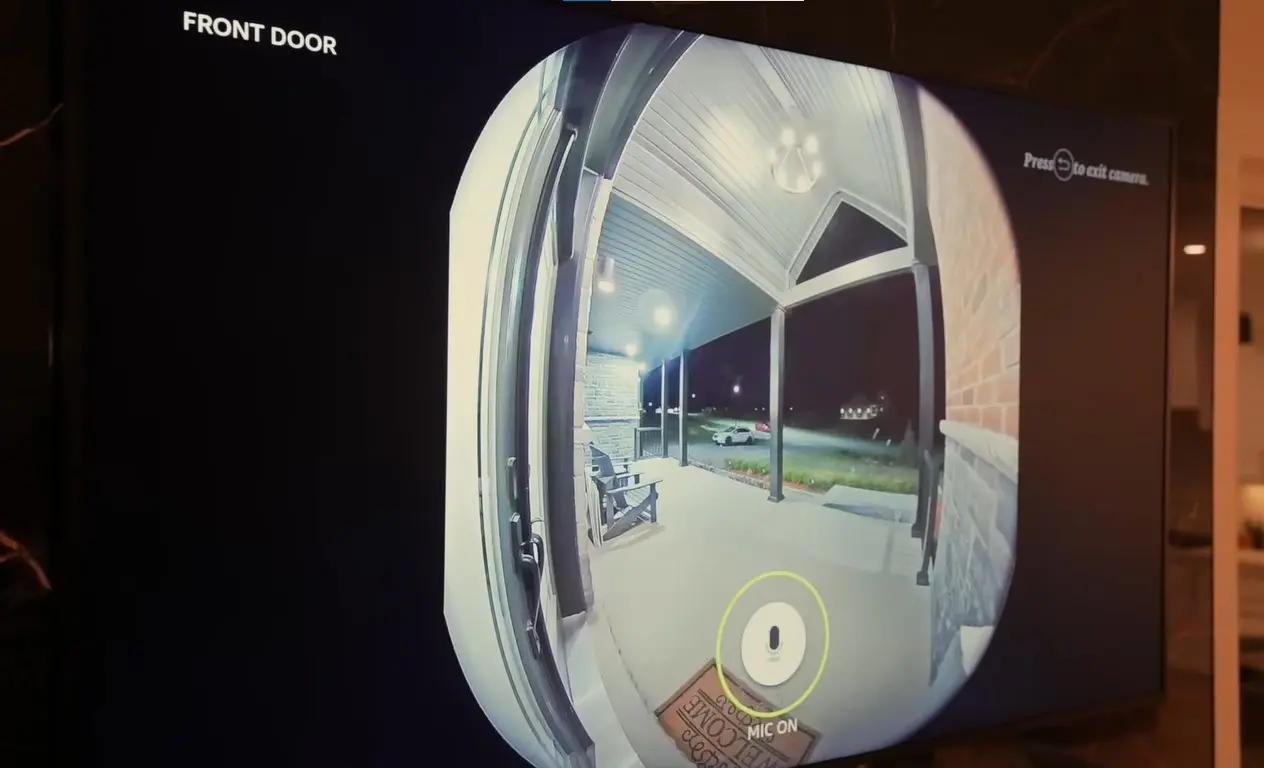
- Video doorbells with two-way talk and package detection
- Smart locks with temporary access codes for guests, cleaners, or contractors
- Exterior cameras at key entry points
- Door and window sensors
- Water leak and smoke/CO detection tied into the same system
These tools give families peace of mind whether they are home, traveling, or monitoring a second property. Clean pre-wiring during construction keeps cameras and locks looking intentional rather than added later.
5. Energy Management and Future-Ready Power
Energy costs and resilience matter more each year. New construction offers the chance to prepare for:
- Solar-ready roofing and electrical panels
- Battery storage pathways
- EV charging circuits in the garage (240V)
- Load management so the home can handle multiple high-draw devices
Even if a buyer is not installing solar or a battery system on day one, running conduit and sizing the electrical panel correctly makes later upgrades far simpler and less expensive. South Carolina’s climate and growing interest in electric vehicles make these preparations practical rather than speculative.
6. Unified Control and AI-Driven Convenience
The trend has shifted away from a collection of separate gadgets toward systems that work together. Matter and Thread standards have improved interoperability between brands. Many homeowners now prefer a single app or voice interface that manages lighting, climate, security, and shades.
More advanced systems use AI to learn routines—adjusting temperature, lights, and security based on when the family is home or away. The goal is technology that feels helpful and mostly invisible rather than something that requires constant attention.
7. Whole-Home Audio in Key Spaces
In-ceiling or in-wall speakers in the kitchen, living areas, primary suite, and outdoor living spaces remain popular. Distributed audio systems let music or podcasts follow people through the house without portable speakers cluttering counters. Pre-wiring for these locations during framing keeps the installation clean and the sound quality high.
What Buyers in South Carolina Are Actually Asking For
From our experience and local market patterns, the features that come up most often are:
- Reliable smart thermostats and climate control
- Video doorbells and smart locks
- Pre-wired networking
- EV-ready garage circuits
- Lighting control that is simple to use
High-end fully automated systems appeal to some buyers, but many families prefer a practical core package that can expand later. The key is building the infrastructure now so options stay open.
Cost Considerations
Smart home packages vary widely. A solid foundation of structured wiring, smart thermostats, basic security, and lighting control can be included at a reasonable cost during construction. Full professional whole-home automation systems range much higher depending on the level of integration. The biggest savings come from deciding on the infrastructure while the house is being framed rather than retrofitting later.
Practical Advice for Building in 2026
- Decide early which systems matter most to your family.
- Prioritize the wiring and electrical capacity that are hard to add later.
- Choose platforms with strong interoperability so you are not locked into one brand forever.
- Keep the user experience simple—technology should reduce friction, not create it.
- Work with a builder and technology partner who understand both construction sequencing and current standards.
How We Approach Smart Homes
We treat smart technology as part of the overall design rather than an afterthought. That means coordinating with electricians and low-voltage specialists during framing, planning device locations that make sense for daily life, and selecting systems that perform well in South Carolina’s climate. The result is a home that feels modern and comfortable without requiring the owner to become a technology expert.
Looking Ahead
Smart home technology will continue to evolve. Homes built today with good infrastructure—solid networking, thoughtful electrical capacity, and flexible control pathways—will be easier and less expensive to update as new capabilities arrive. That future-proofing is one of the quiet advantages of building new rather than renovating an older house.
If you are planning a new home in Columbia or the surrounding areas and want to discuss which smart features make the most sense for your lifestyle and budget, we are happy to walk through the options. A short conversation early in the design process can save time, money, and frustration later.
Building a home that works well today and stays ready for tomorrow is one of the best decisions you can make. Smart technology, when planned thoughtfully, helps deliver exactly that.