Columbia’s Growing Areas: Where to Build Your Dream Home in 2026–2027
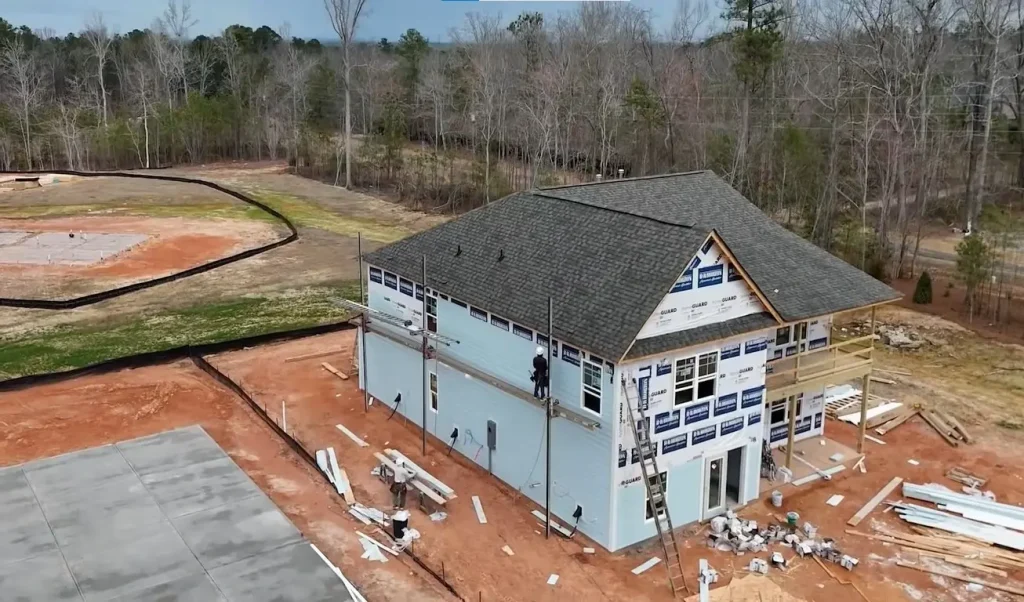
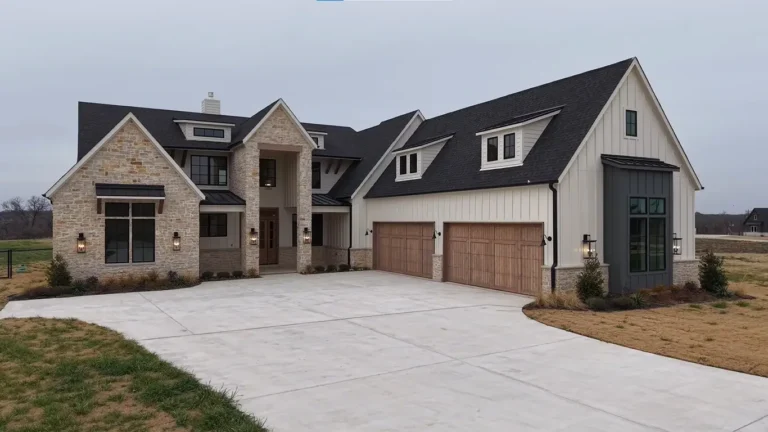
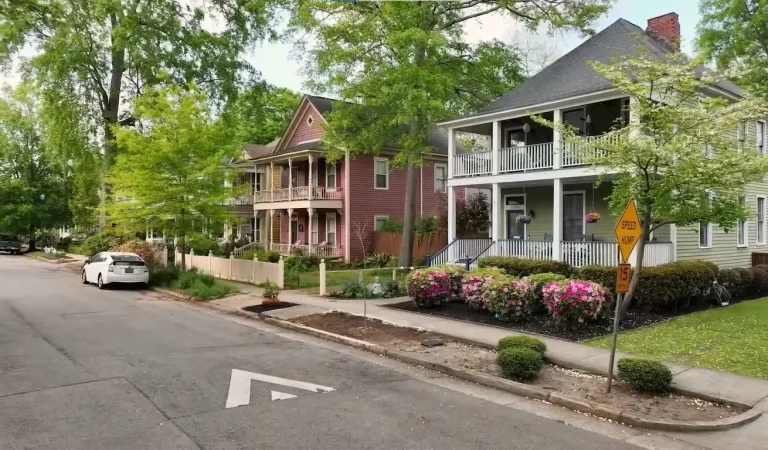
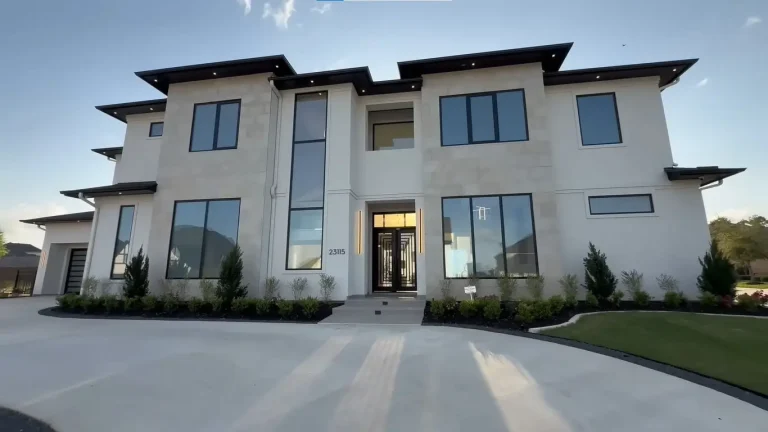
Families and individuals planning to build a new home in the Columbia area have more options than they did a few years ago. New construction remains active across the metro, with clear patterns in where builders are focusing and where demand is strongest. Location still matters more than ever—schools, commute, future job growth, and daily lifestyle all influence long-term satisfaction.
Here is a practical look at the areas seeing the most residential growth heading into 2026 and 2027, based on recent permitting activity, development approvals, employment projects, and market patterns.
Blythewood and Northeast Columbia
This corridor continues to stand out. The Scout Motors electric vehicle plant in Blythewood is the largest single economic driver shaping the northern edge of the metro. The project is expected to create thousands of jobs, with supporting infrastructure including a new I-77 interchange and related road improvements already underway or advancing.
New home communities are active in and around Blythewood. Buyers are drawn by relatively larger lots, newer housing stock, and access to Richland School District Two schools, which generally perform well compared with many other local options. The area offers a more suburban-to-rural feel while remaining within commuting distance of Columbia.
For those building in 2026–2027, this corridor offers a combination of employment-driven demand and available land for new construction. Timing matters: infrastructure improvements are progressive, and demand is expected to strengthen as the plant moves toward fuller operations.
Lexington
Lexington remains one of the most consistent growth areas in the Midlands. Lexington County has shown strong recent gains in building permits relative to prior years, and the town and surrounding communities continue to see new subdivisions move through approvals and construction.
The appeal is straightforward: Lexington School District One ranks among the stronger systems in the region, the area offers a full range of shopping and services, and many neighborhoods provide the lot sizes and floor plans families prefer. New construction here often sits in established or expanding suburban settings with good access to major roads.
Buyers who prioritize schools and a complete suburban lifestyle frequently land in Lexington. Inventory of new homes and lots remains active, though popular communities can move at a steady pace.
Irmo, Chapin, and the Lake Murray Corridor
The northwest side of the metro—particularly Irmo and Chapin—continues to attract families seeking a balance of schools, recreation, and newer housing. Lexington-Richland School District Five serves much of this area and is widely regarded as one of the higher-performing districts in the Columbia region.
Lake Murray access adds a lifestyle dimension that many buyers value. New communities and infill projects appear regularly, and the area benefits from established commercial corridors along with ongoing residential expansion. Some projects face infrastructure constraints (such as sewer capacity discussions in parts of Chapin), so checking current utility availability is important when evaluating specific lots.
This corridor suits households that want strong schools, outdoor recreation, and a suburban setting with reasonable access to Columbia.
Southeast Columbia and the Garners Ferry Corridor
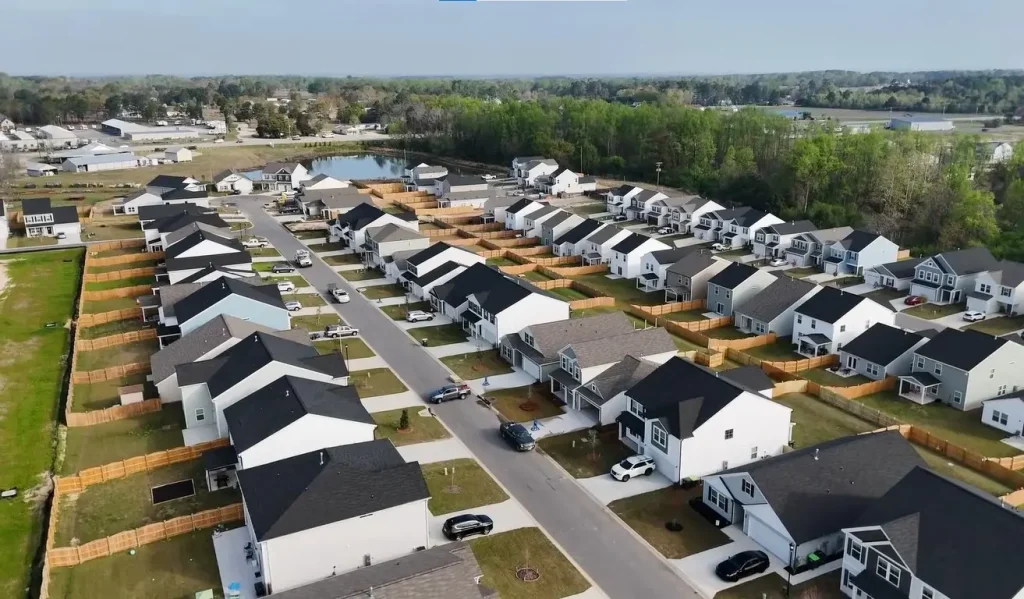
Southeast Columbia and nearby areas along and beyond Garners Ferry Road offer another active zone for new construction. This part of the metro often provides more affordable entry points compared with some of the higher-demand northern and western suburbs. For a closer look at how this corridor compares with other growing parts of the metro, see our guide to the top neighborhoods for new home construction in Columbia.
Newer communities here tend to appeal to buyers looking for value, larger lots in some cases, and proximity to Fort Jackson or commuting routes. The feel can be more mixed—parts feel suburban while others retain a more open or rural character. Infrastructure and commercial amenities continue to evolve, so the experience varies by specific neighborhood.
For buyers focused on maximizing space or stretching a budget while still building new, this corridor deserves a close look.
What the Broader Data Shows
Columbia ranks among the stronger mid-sized metros for new construction activity. Recent analyses of major U.S. markets place it in the top tier for new-home presence and relative affordability of new builds compared with existing homes. New construction tends to concentrate north and west of the city center—particularly in zip codes associated with Blythewood and Lexington—though activity exists in multiple directions.
Richland County still accounts for a large share of total permits in absolute numbers, while Lexington County has shown notably strong year-over-year growth in permitting in recent trailing periods. Both counties remain central to the metro’s housing supply.
Population growth in Lexington County has been steady, driven largely by domestic migration. This supports ongoing demand for housing, including new construction.
Practical Considerations for Building in 2026–2027
- Schools remain a primary filter for many families. District boundaries and individual school performance should be verified for any specific lot or community under consideration.
- Commute patterns vary significantly. Blythewood and Northeast Columbia align well with northern employment growth. Lexington and the Lake Murray side work for those oriented toward the west and northwest. Southeast locations can suit certain military or eastern commuting needs.
- Infrastructure timing matters. Road projects, utility capacity, and new interchanges influence both daily convenience and longer-term value. Areas with committed public improvements often see stronger sustained interest.
- Lot availability and builder options differ by corridor. Some areas offer more ready-to-build lots and active communities; others have longer timelines or limited inventory at any given moment.
- Energy performance and climate adaptation should factor into design decisions across the entire metro. Columbia’s long, humid summers make insulation, efficient HVAC, window performance, and thoughtful orientation practical rather than optional.
Choosing the Right Area
There is no single “best” place to build. The strongest choice aligns with your priorities:
- Employment and future job growth → Blythewood / Northeast
- Schools and established suburban amenities → Lexington or Irmo/Chapin
- Value and space → parts of Southeast Columbia
- Lake access and recreation → Lake Murray corridor
Visit communities at different times of day, drive the actual commute routes, and review current utility and school information for specific sites. Working with a builder who understands local permitting, lot characteristics, and construction realities in each corridor can reduce surprises.
Making the Decision in 2026–2027
Columbia’s growth is spread across several distinct areas rather than concentrated in one hotspot. That variety gives buyers and builders real choices in 2026 and 2027. The key is matching the location to how you actually want to live—not simply following the loudest marketing.
If you are evaluating specific corridors or ready to discuss lot options and home designs suited to these growing areas, clear local knowledge makes the process more straightforward. The right site and a well-planned home create lasting value in a market that continues to expand outward from the capital city.
Ready to Explore These Growing Areas?
If you are evaluating specific corridors or ready to discuss lot options and home designs in these growing areas, local knowledge of permitting, utilities, and construction realities makes the process clearer. Reach out, and we can help you compare the practical differences across Blythewood, Lexington, the Lake Murray side, and Southeast Columbia.