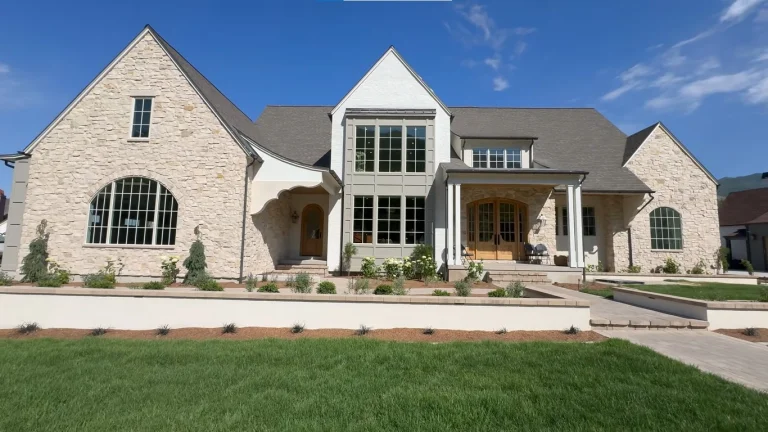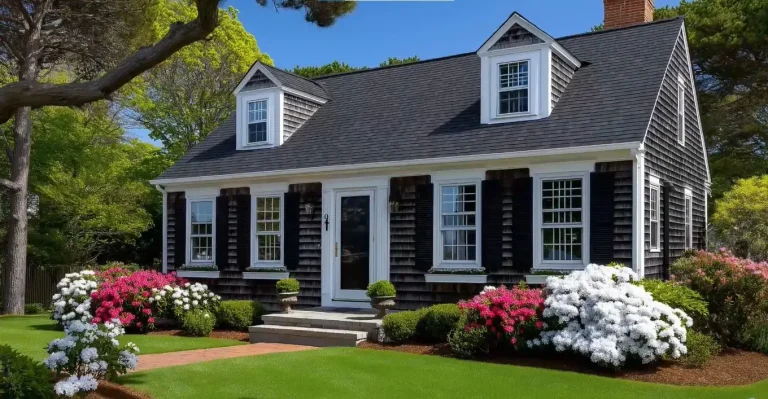
How to Design a Home That Truly Fits the South Carolina Lifestyle
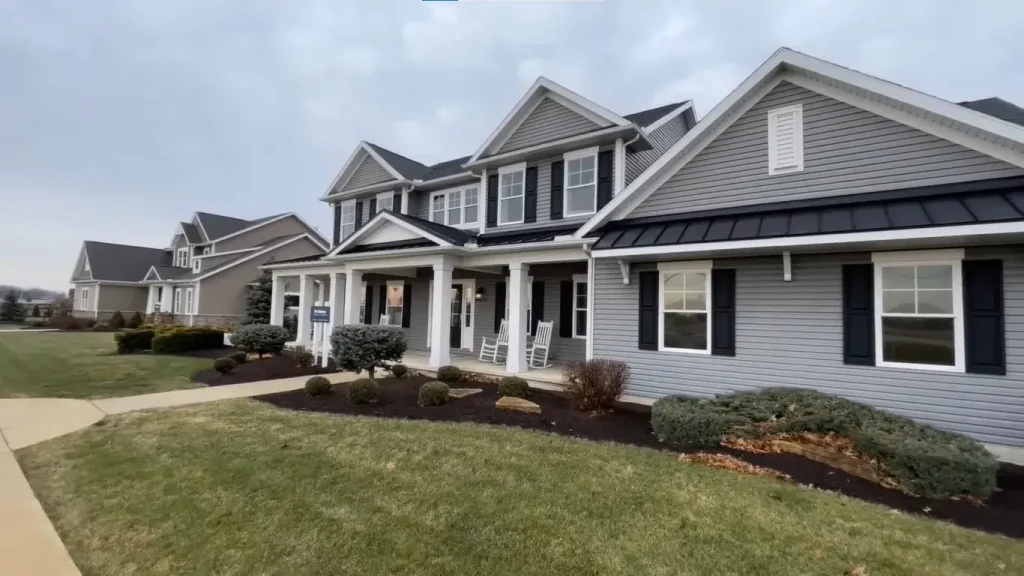
A home that works well in Columbia and the Midlands is designed around heat, humidity, outdoor living, and the way people actually spend time here. The climate is humid subtropical, with long hot summers, average July highs near 93°F, and one of the higher cooling loads in the Southeast. Humidity stays elevated for much of the year, and annual rainfall typically falls in the mid-40-inch range. These conditions shape comfort, energy use, durability, and daily life far more than any design trend.
Building a house that simply looks Southern is not the same as building one that performs in this environment. The difference shows up in utility bills, indoor comfort on a 95-degree afternoon, how often the porch actually gets used, and how the structure holds up after years of moisture and sun. Here is a practical approach grounded in local climate realities and proven building practices.
Understand the Climate Load Before Drawing Floor Plans
Columbia generates roughly 2,480 cooling degree days in a typical year, meaning air conditioning systems run hard and long. Design temperatures often reach the mid-90s dry-bulb with elevated wet-bulb temperatures, so humidity removal is a major part of the load rather than an afterthought. Oversized equipment is a common mistake because it cools the air too quickly, short-cycles, removes less moisture, leaves the house feeling clammy, and increases compressor wear.
The correct starting point is a Manual J load calculation that accounts for the actual house, including orientation, window area and performance, insulation levels, air leakage, and occupancy. Right-sized equipment that runs longer cycles does a better job of dehumidifying while maintaining temperature. Insulation and air sealing reduce the load the equipment has to handle, with attic performance especially important because heat builds rapidly under a dark roof.
Continuous air barriers, sealed penetrations, and attention to the connection between the attic and living space pay measurable dividends in both comfort and operating cost. In a hot-humid climate, controlling where moisture moves is as critical as controlling temperature. Windows should balance daylight with solar heat gain through lower Solar Heat Gain Coefficient values on west- and south-facing glass, while operable windows support cross-ventilation during milder months.
Make Outdoor Living Spaces Functional, Not Decorative
South Carolinians live outdoors when conditions allow. Covered porches, screened rooms, and shaded patios extend usable space without the full cost of conditioned square footage. Deep roof overhangs and thoughtful orientation keep direct sun off glass and seating areas for longer parts of the day.
Screened porches perform particularly well in humid months. They allow airflow while keeping insects out and require far less mechanical conditioning than an enclosed room. Three- or four-season rooms add flexibility but demand careful detailing for insulation, moisture control, and connection to the main system or a dedicated unit. South Carolina residential code treats patio covers and screen enclosures as outdoor living spaces; they are not automatically considered fully habitable rooms unless built to higher standards for insulation, egress, and structure.
Practical details matter. Outdoor receptacles at the front and back of the house, ceiling fans, durable flooring that sheds water, and proper grading away from the foundation turn these spaces into areas people actually use. Materials that resist moisture, sun, and insects reduce maintenance over time. Drainage and flashing details at the connection between the house and the outdoor structure prevent long-term water problems.
Select Materials That Match Heat and Humidity
Exterior materials face constant moisture and intense ultraviolet exposure. Fiber-cement siding, quality brick, and properly detailed engineered products resist swelling, rot, and fading better than many traditional wood options in this climate. Roofing color and attic ventilation affect heat gain; balanced intake and exhaust ventilation helps keep attic temperatures and moisture under control.
Inside the house, finishes that tolerate humidity and are easy to clean reduce ongoing maintenance. Moisture-resistant assemblies in bathrooms and laundry areas, good mechanical ventilation, and attention to crawl-space or foundation moisture are practical investments. In a climate where outdoor humidity is high for much of the year, small air leaks and unsealed penetrations can introduce significant moisture loads.
Crawl spaces and foundations deserve special attention. Elevated humidity and occasional groundwater can create conditions for mold and wood decay if the space is not properly managed. Encapsulation, vapor barriers, and conditioning or dehumidification of the crawl space are common strategies that improve both durability and indoor air quality.
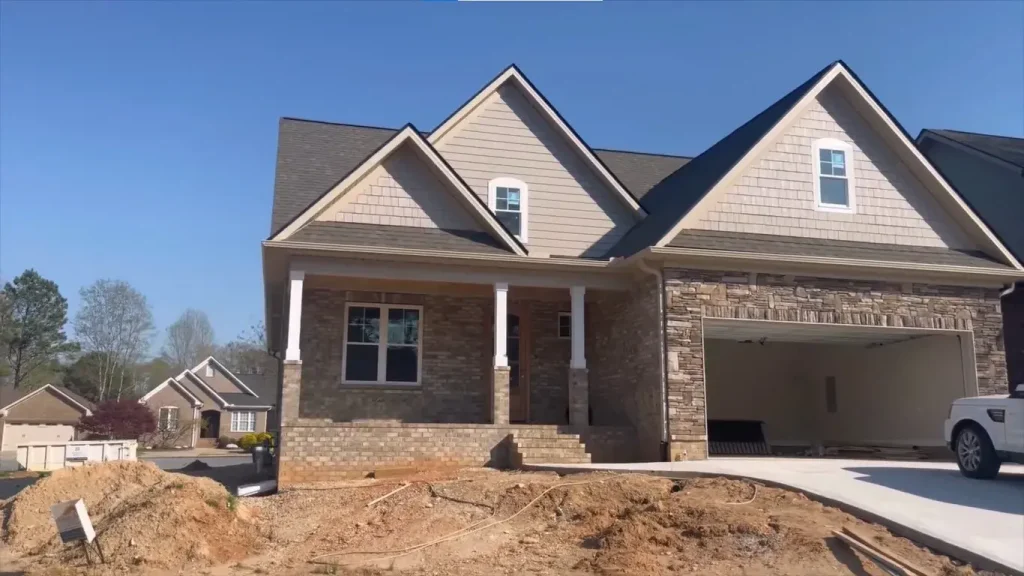
Design the Layout Around How People Actually Live
Open connections between kitchen, living areas, and outdoor spaces support the informal, gathering-oriented lifestyle common in the Midlands. Many families prefer primary suites on the main level for long-term convenience and multi-generational living. Flexible secondary rooms that can shift between office, guest, or hobby use add practical value as household needs change.
Storage is frequently under-planned. Space near the main entry and garage for outdoor gear, sports equipment, and seasonal items keeps the rest of the house cleaner. A functional mudroom or drop zone makes daily transitions between indoor and outdoor activities smoother.
Circulation and sight lines matter. Homes that feel closed off or that force long trips between kitchen, living, and outdoor spaces feel less connected to the lifestyle they are meant to support. Simple, well-organized plans often outperform more complex ones in daily use. Families comparing city and suburban options can also review our guide on living in Columbia vs the suburbs
Treat Energy Performance as Comfort, Not Just Savings
Because cooling dominates the annual energy budget in Columbia, every decision that reduces heat gain and improves moisture control improves daily comfort. A tight building envelope, efficient windows with appropriate SHGC, and properly designed sealed ductwork form the foundation of an efficient home. High-efficiency heat pumps sized for both sensible and latent loads then produce houses that feel better and cost less to operate.
In this climate, a well-executed energy package is not an optional upgrade. It is part of making the house livable during the long warm season. Homes built to higher performance standards consistently show lower cooling costs and more stable indoor humidity when the details are executed correctly.
Avoid These Common Mistakes
- Treating outdoor living as an afterthought instead of an integrated part of the plan
- Oversizing HVAC without accounting for dehumidification
- Choosing large west-facing glass without adequate shading or high-performance glazing
- Neglecting air sealing and moisture management in walls, attics, and foundations
- Designing to a generic national plan rather than local climate and lifestyle patterns
- Underestimating the value of durable, low-maintenance exterior materials
Building a House That Belongs Here
A home that fits the South Carolina lifestyle balances climate performance, usable outdoor space, and flexible indoor living. It stays comfortable when temperatures and humidity are high, invites people outside when conditions allow, and supports the informal, multi-use patterns common in the Midlands. When these realities shape the design from the beginning rather than being added later as corrections, the result is a house that works better day to day and holds up over time.
Orientation, overhangs, material choices, HVAC sizing, moisture control, and outdoor connections are not decorative decisions but the practical foundation of a home that truly belongs in this climate. Local knowledge of how heat, humidity, and daily life interact makes the difference between a house that looks appropriate and one that actually performs. For more on where new construction is strongest across the metro, see our guide to Columbia’s growing areas.
If you are planning a new home in the Columbia area and want guidance on layouts, outdoor spaces, and performance details suited to Midlands conditions, experienced local design and construction input can help turn good intentions into a house that lives well here for decades.
Ready to Design a Home That Fits Midlands Living?
Local knowledge of how heat, humidity, and daily life interact makes the difference between a house that looks appropriate and one that actually performs. If you are planning a new home in the Columbia area and want guidance on layouts, outdoor spaces, and performance details suited to Midlands conditions, we can help turn good intentions into a house that lives well here for decades. Contact us to discuss your project.