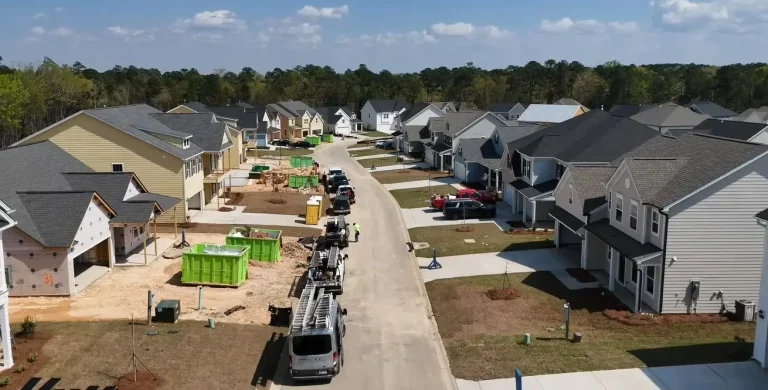
Craftsman Homes in Modern Times – Benefits & Popular Features
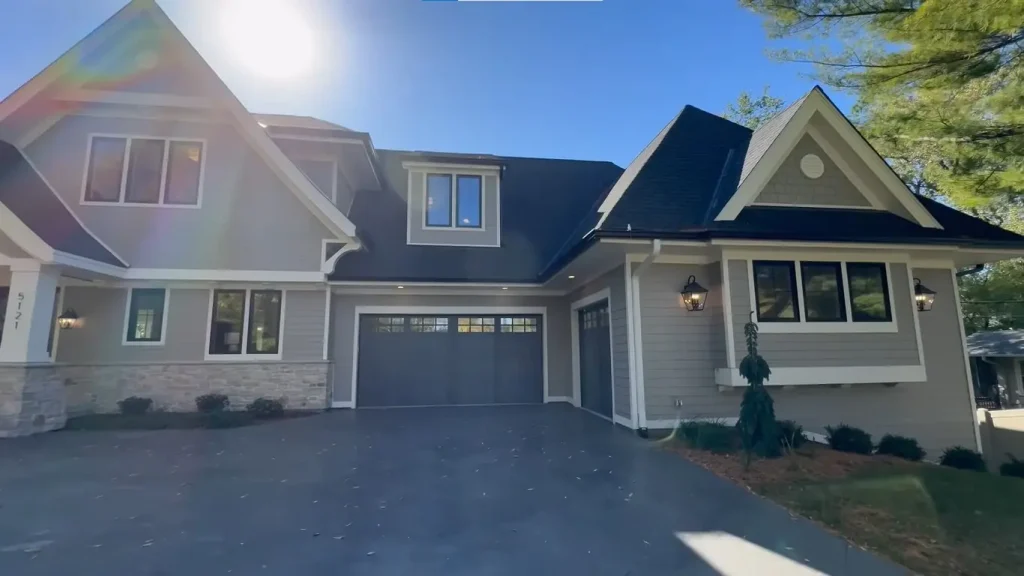
Craftsman homes remain one of the most recognizable and enduring American house styles more than a century after they first appeared. Rooted in the early 20th-century Arts and Crafts movement, they were a deliberate reaction against the ornate excess of Victorian design and the impersonal quality of mass-produced industrial goods. Today, the style continues to attract buyers who want character, solid construction, and a strong connection between indoors and outdoors—qualities that still matter in places like Columbia.
Origins and Core Principles
The American Craftsman style grew out of the British Arts and Crafts movement and was popularized in the United States by furniture designer Gustav Stickley through his magazine The Craftsman. California architects Charles and Henry Greene refined the idea into highly crafted bungalows that emphasized natural materials, honest construction, and simplified forms. The style flourished roughly from 1905 through the 1930s and became widely accessible through plan books and kit homes.
The guiding principles were practical: use materials honestly, favor handcrafted details over applied ornament, keep the scale human, and create spaces that serve daily life rather than formal display. These ideas still explain why the style feels relevant.
Defining Exterior Features
Classic Craftsman exteriors share a consistent vocabulary that modern interpretations continue to use:
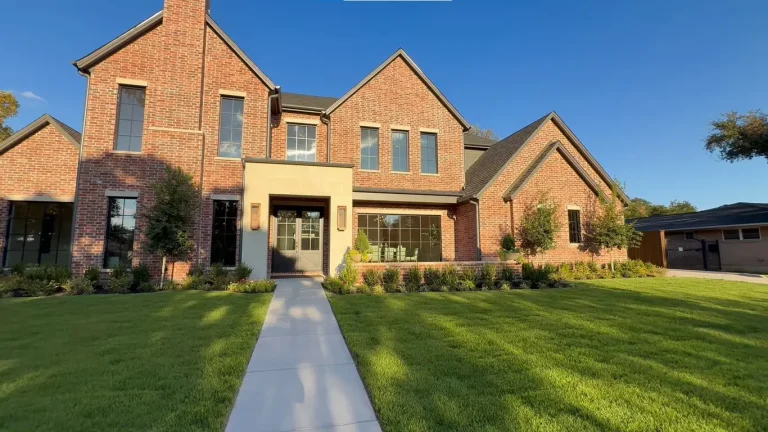
- Low-pitched gabled or hipped roofs with wide, overhanging eaves
- Exposed rafter tails or decorative brackets under the eaves
- Broad front porches supported by tapered square columns, often resting on stone or brick piers
- A mix of natural materials—wood siding or shingles, brick, and stone
- Strong horizontal lines and a generally low, grounded silhouette
The front porch is more than decoration. In the original designs, it functioned as an outdoor room for sitting, greeting neighbors, and extending living space. In Columbia’s climate, that idea still works well. A deep, shaded porch offers usable outdoor living during much of the year when humidity and insects are managed with screening or thoughtful orientation.
Interior Character That Still Appeals
Inside, traditional Craftsman homes emphasized built-in furniture, natural wood finishes, and open yet defined living areas. Common elements included:
- Built-in bookcases, benches, and cabinetry
- Hardwood floors and substantial wood trim
- Fireplaces as focal points, sometimes with tile surrounds
- Simplified moldings and exposed structural elements rather than heavy ornament
- Functional connections between rooms without long formal corridors
Modern Craftsman plans keep the exterior character while updating the interior for contemporary family life. Open kitchen-living arrangements, larger primary suites, better storage, and improved natural light are typical adaptations. The result reads as Craftsman from the street yet functions like a current home inside.

Why the Style Works in Modern Times
Several practical advantages explain the continued popularity.
Connection to outdoors
The wide porch and emphasis on windows and natural materials create a stronger indoor-outdoor relationship than many mid-century or purely contemporary designs. In a region with long warm seasons, this is a genuine livability benefit rather than a stylistic flourish.
For a broader look at designing homes around local climate and daily life, see our guide on how to design a home that fits the South Carolina lifestyle.
Human scale and neighborhood fit
Craftsman homes were designed at a modest, approachable scale. They sit comfortably on typical lots and contribute to walkable, tree-lined streetscapes. In established Columbia neighborhoods such as Shandon, Melrose Heights, Earlewood, and Elmwood Park, original Craftsman bungalows remain highly sought after for exactly this reason.
Durability and material honesty
The original movement valued materials that would age well and require relatively few repairs when properly maintained. Modern versions can incorporate the same philosophy with updated weather-resistant products, better insulation, and energy-efficient windows while preserving the visual language of wood, brick, and stone.
Character without excess
Buyers often describe Craftsman homes as having warmth and individuality that many production plans lack. The style delivers distinctive details—tapered columns, exposed rafters, built-ins—without the high maintenance or cost of more elaborate historic styles.
Adaptability
The basic form works for one-story bungalows, one-and-a-half-story designs, and two-story versions. It can accommodate open modern floor plans, flexible rooms, and improved energy performance without losing its identity.
Popular Features in New Craftsman-Inspired Homes
When builders and designers create modern Craftsman homes, certain elements appear consistently:
- Deep covered porches, sometimes screened or partially enclosed for year-round use
- Tapered porch columns on masonry bases
- Low-pitched roofs with expressive eaves and brackets
- Mixed exterior materials (fiber-cement or wood-look siding combined with brick or stone accents)
- Open or semi-open living areas that still feel defined
- Substantial trim, built-in storage, and natural wood tones
- Larger windows and better connections to outdoor spaces than early 20th-century examples
- Updated kitchens and primary baths that meet current expectations for function and light
Energy performance, air sealing, and moisture management are handled with current building science rather than early-1900s methods. The visual language remains Craftsman; the technical performance is contemporary. These priorities align closely with the must-have features for modern family homes that buyers value in 2026.
Considerations for the Columbia Area
Historic Craftsman bungalows are part of Columbia’s architectural fabric in several older neighborhoods. New construction in the broader metro often draws on the same cues because the style ages well, photographs attractively, and supports the outdoor living that local buyers value. A well-detailed porch, durable exterior materials, and a plan that balances openness with usable rooms tend to perform strongly in this market.
As with any style, success depends on execution. Oversimplified “Craftsman-lite” versions that only add a few tapered columns and brackets can feel thin. Thoughtful proportion, authentic material relationships, and a porch that is actually deep enough to use produce better results.
Lasting Appeal
Craftsman homes succeeded originally because they offered solid construction, practical layouts, and a respectful use of materials at a time when many buyers wanted an alternative to both Victorian complexity and industrial sameness. Those same qualities—character, outdoor connection, human scale, and durability—continue to resonate.
In modern times, the style has proven flexible enough to accept open plans, higher energy standards, and contemporary kitchens while retaining a recognizable and welcoming identity. For families in the Columbia area looking for a house that feels grounded rather than generic, the Craftsman vocabulary still offers one of the clearest and most time-tested options available.
Interested in a modern Craftsman home in Columbia?
The strongest versions combine authentic exterior character with updated floor plans, solid energy performance, and usable outdoor space. If you are exploring this style for a new build or major renovation, we can help you evaluate what works best for your lot and lifestyle. Contact us to discuss your project.