Energy-Efficient Homes: How to Save Money on Utilities in Columbia

Utility bills in Columbia add up quickly, especially during the long cooling season. Hot, humid summers mean air conditioning runs hard for months, and even mild winters still require heating. As a local home builder, I see the difference energy-efficient design makes in real monthly costs for families across the Midlands.
This guide explains where the money goes, which features deliver the biggest savings, and how new construction can be designed to keep utility bills lower for years.
What Columbia Homeowners Actually Pay
Electricity is the largest utility expense for most households here. Residential rates in the Columbia area typically fall in the 13–16 cents per kilowatt-hour range, depending on the provider and plan. Average monthly electric bills often land between roughly $110 and $165 for a typical home, though larger or less efficient houses can run significantly higher—especially in peak summer months.
Cooling dominates the energy budget. In South Carolina’s humid subtropical climate, heating and cooling together can account for a large share of total electricity use. When temperatures stay in the 90s and humidity is high, an inefficient home forces the HVAC system to work longer and harder.
Where Energy Is Lost in Most Homes
Older or poorly detailed homes leak energy in predictable places:
- Attics that heat up dramatically in summer and allow heat to transfer downward
- Gaps around windows, doors, outlets, and penetrations that let conditioned air escape
- Single-pane or clear-glass windows that admit excess solar heat
- Leaky or poorly insulated ducts
- Older, low-efficiency air conditioning equipment
Air leakage alone can waste a substantial portion of heating and cooling energy. Addressing the building envelope first usually delivers better results than simply installing a bigger air conditioner.

High-Impact Features That Reduce Utility Bills
1. A Tight, Well-Insulated Building Envelope
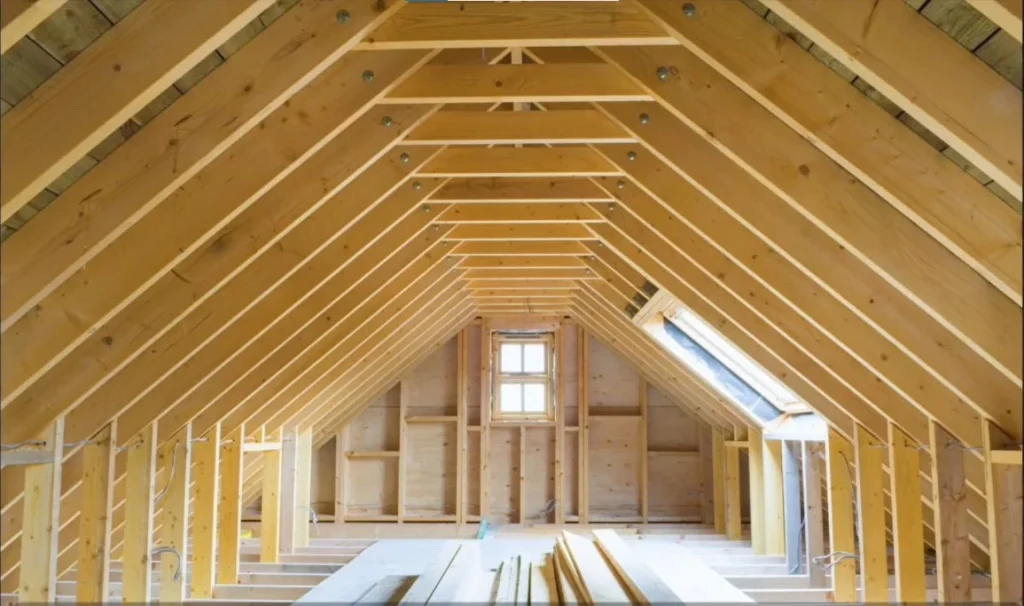
Attic insulation is one of the highest-return improvements in Columbia. Aiming for R-38 to R-50 in the attic (or higher in some designs) helps keep heat out in summer and warmth in during cooler months. Wall insulation that meets or exceeds current code, combined with careful air sealing, further reduces the load on the HVAC system.
Radiant barrier roof decking is particularly useful here. It can significantly lower attic temperatures by reflecting radiant heat, which improves the performance of both insulation and ductwork located in the attic.
2. High-Performance Windows
Windows affect both comfort and cost. In our climate, Low-E coatings with a low Solar Heat Gain Coefficient (SHGC) help block unwanted solar heat while still allowing visible light. Double-pane (or better) units with solid frames reduce heat transfer and drafts. The U.S. Department of Energy notes that windows can account for a notable share of heating and cooling energy loss; upgrading them in the right climate can produce meaningful savings.
3. Efficient HVAC Sized and Installed Correctly
Equipment efficiency matters, but so does proper sizing and installation. A high-SEER heat pump or air conditioner (16 SEER and above is common in quality new construction) uses less electricity to deliver the same cooling. In South Carolina’s long cooling season, the difference between an older low-SEER unit and a modern high-efficiency system can add up to hundreds of dollars per year.
Duct sealing is equally important. Leaky ducts in attics or crawl spaces waste conditioned air before it reaches living spaces. Manual J load calculations and proper duct design help ensure the system is neither oversized nor undersized.
4. Smart Thermostats and Controls
Programmable or learning thermostats adjust temperatures based on occupancy and schedules. Raising the setpoint a few degrees when the house is empty, or using ceiling fans to allow a slightly higher thermostat setting, reduces runtime without sacrificing comfort. Many homeowners see noticeable savings simply by using these tools consistently.
5. Efficient Lighting and Appliances
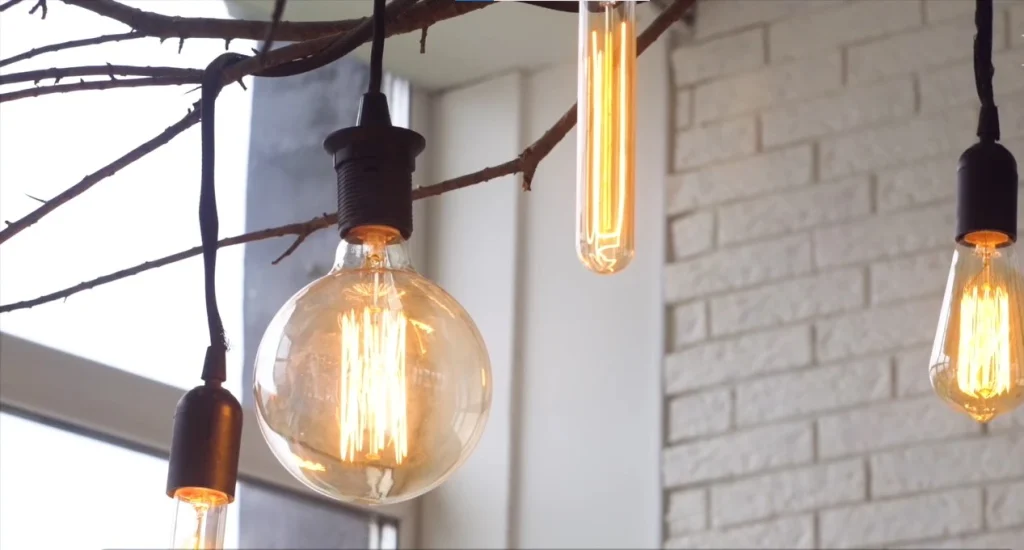
LED lighting uses a fraction of the energy of older bulbs and lasts far longer. ENERGY STAR appliances—especially refrigerators, washers, and heat-pump water heaters—cut ongoing consumption. These items may seem small individually, but together they lower the baseline load that the HVAC system does not have to overcome.
How Much Can You Actually Save?
Whole-house weatherization and efficiency upgrades commonly reduce energy bills by 15–30 percent, depending on the starting point of the home and the measures installed. Individual improvements vary:
- Better attic insulation and air sealing often produce strong returns in our climate.
- High-efficiency HVAC replacements can cut cooling costs substantially compared with older equipment.
- Low-E windows and improved shading reduce solar heat gain during peak summer afternoons.
New homes built with these features from the start typically perform better than retrofits because the details (air sealing, insulation continuity, duct location, and window performance) can be coordinated during construction.
HERS Ratings and What They Mean
The Home Energy Rating System (HERS) Index provides a standardized way to compare homes. A score of 100 represents a home built to a standard reference code level. Lower scores indicate better efficiency—each point below 100 roughly equals a 1 percent improvement. Many newer homes in South Carolina that receive ratings fall in the 50s on average, meaning they use substantially less energy than a basic code-built house.
A lower HERS score translates into lower operating costs over the life of the home and can be a selling point if you ever move.
Design Decisions That Matter in Columbia
Orientation, overhangs, and shading help manage solar gain. Light-colored or reflective roofing materials reduce heat absorption. Proper attic ventilation works with insulation and radiant barriers to keep the roof system cooler. These passive strategies cost relatively little during design and construction yet deliver ongoing benefits.
Practical Steps for Homeowners
If you are building new:
- Prioritize the building envelope and HVAC efficiency early in the design process.
- Ask about insulation levels, window performance ratings, duct sealing, and equipment SEER ratings.
- Consider a HERS rating for third-party verification.
If you own an existing home:
- Start with an energy audit or blower-door test to identify the biggest leaks.
- Focus first on attic insulation, air sealing, and HVAC maintenance or upgrades.
- Add smart controls and efficient lighting for quicker, lower-cost wins.
Federal tax credits and occasional utility rebates can improve the payback on qualifying improvements. Check current programs, as they change over time.
Why This Matters for Long-Term Ownership
Lower utility bills improve monthly cash flow. A more comfortable, evenly conditioned home is simply nicer to live in. Efficient homes also tend to hold value better because buyers increasingly pay attention to operating costs. In a market where electricity rates and summer temperatures both matter, efficiency is practical rather than optional.
How We Approach Energy Performance
When we design and build homes in the Columbia area, we treat energy efficiency as part of overall quality—not an add-on. That means careful attention to insulation continuity, air sealing, window selection suited to our climate, properly designed and sealed duct systems, and high-efficiency equipment. The goal is a home that stays comfortable with less energy and lower bills year after year. If you are planning a new home or major renovation and want to understand which efficiency measures will deliver the best results for your lot, budget, and lifestyle, we are happy to walk through the options.
A well-planned energy strategy pays dividends every month you live in the house. Building smarter today means saving money on utilities for as long as you own the home. In Columbia’s climate, that advantage is worth planning for from the start.