Custom Home vs Production Home: What’s the Real Difference?
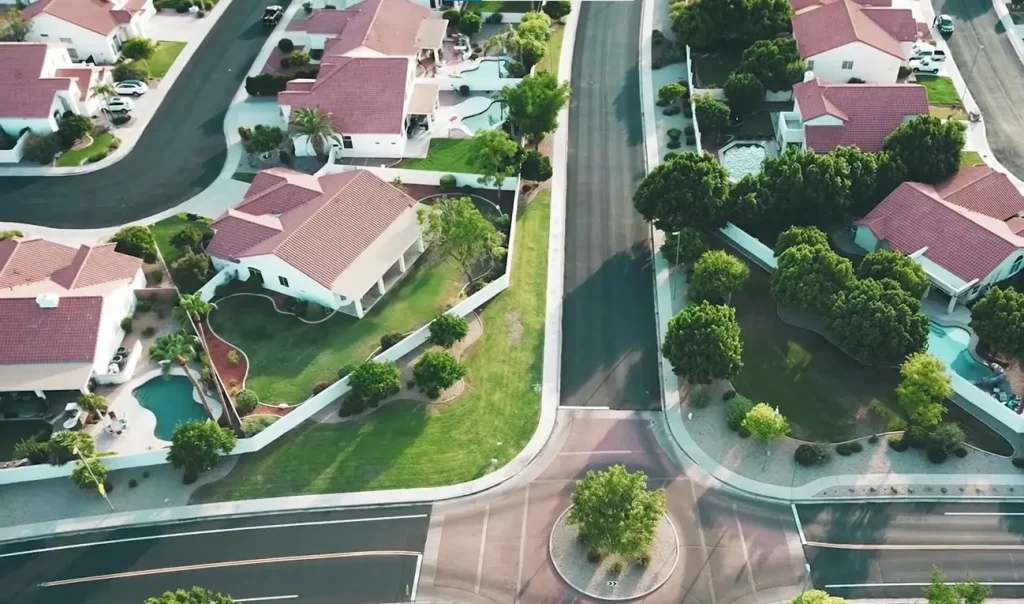
When people in the Columbia area start looking at new construction, they quickly encounter two main paths: a production home or a custom home. The labels get used loosely, and many buyers leave conversations still unclear about what they are actually comparing. The differences go beyond price. They affect design control, timeline, budget predictability, material choices, and how well the finished house fits the lot and the way a family lives.
Here is a clear breakdown of the real distinctions, grounded in how homes are typically built and priced.
What Each Type Actually Means
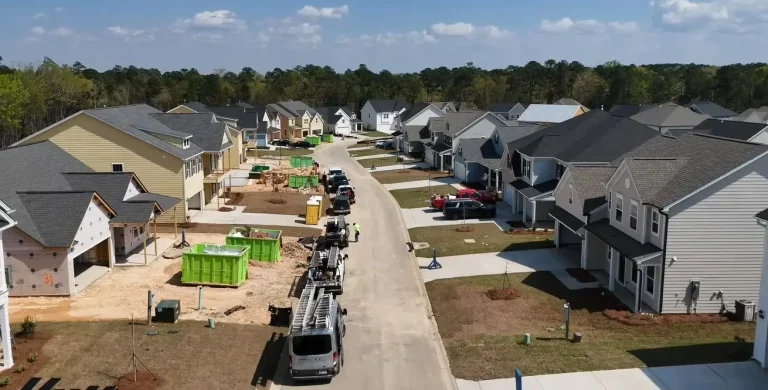
Production homes are built from a limited set of pre-designed floor plans that the builder repeats across a community. The process is standardized, materials are purchased in volume, and construction crews follow the same sequences repeatedly. Buyers usually choose from a menu of finishes and packages, but structural changes such as moving walls or altering the footprint are restricted or unavailable. Lots are often provided by the builder within a planned development.
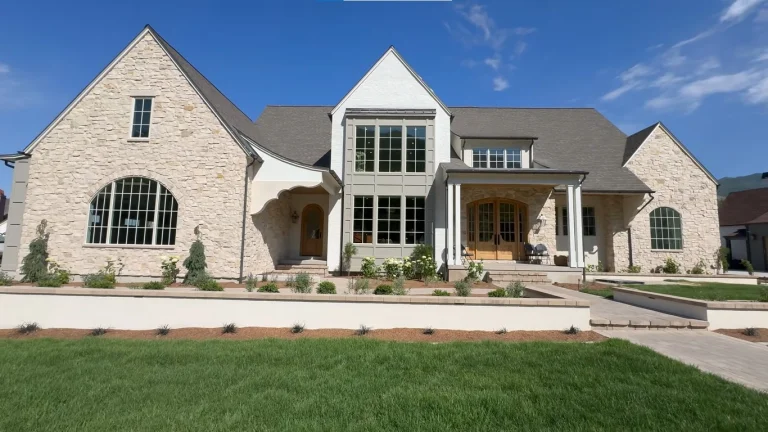
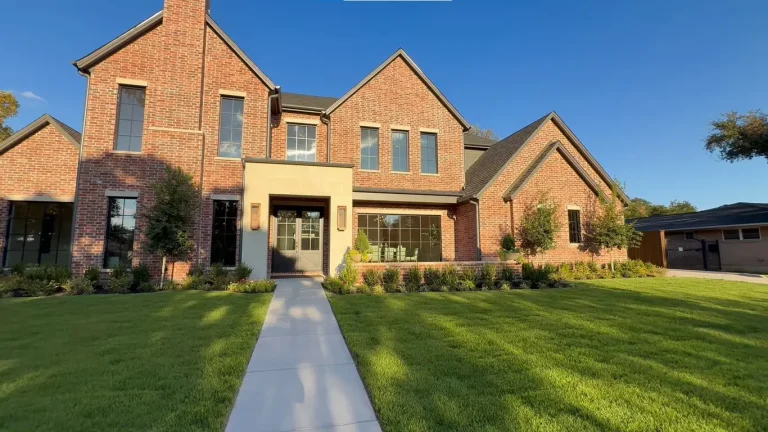
Custom homes start with a design created for a specific buyer and a specific piece of land. The floor plan, elevations, structural systems, and many details are developed from the ground up or heavily modified from a starting concept. The buyer typically owns or selects the lot, an architect or designer is often involved, and the builder constructs one house at a time.
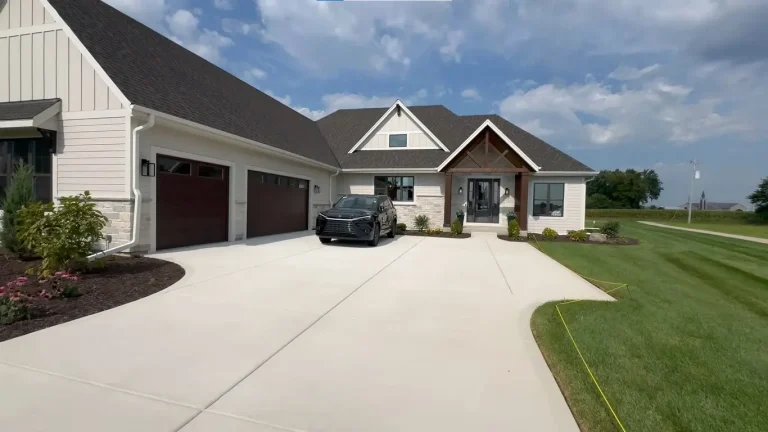
Between these two sits semi-custom work, where many local builders offer proven plans that can be modified within defined limits such as adjusting room sizes or adding a porch. Understanding which category a builder is truly operating in is the first step, as marketing language sometimes blurs the lines.
Cost: Where the Numbers Come From
Production builders achieve lower cost per square foot through volume by buying materials in bulk, reusing engineering and plans, and keeping crews moving efficiently. In the Columbia and Lexington County market, production and many semi-custom homes commonly fall in the $145–$220 per square foot band depending on finish level, though exact figures vary by builder, community, and current material costs.
Custom construction carries higher per-square-foot costs because design and engineering are done once rather than amortized across many homes, materials are ordered in smaller quantities, and unique site conditions can add expense. Premium or non-standard finishes further increase the total, with industry estimates for true custom work often running $250–$350+ per square foot before lot cost.
The gap reflects different scopes of work rather than simply higher custom pricing. A production home price usually includes a finished product within a structured system, while a custom price covers a unique design, site-specific construction, and the full range of buyer choices, with contingency budgets of 10–20% commonly recommended.
Timeline: Predictability vs Flexibility
U.S. Census Bureau data on residential construction consistently shows that homes built for sale (the category that includes most production and many semi-custom homes) complete faster on average. This is often in the range of 7–8 months from permit to completion in recent reporting. The process is streamlined because plans are already engineered and the builder’s systems are repeated.
Custom homes built on the owner’s land take longer on average. Design development, site engineering, permitting for a unique plan, and the sequential nature of one-off construction commonly push total timelines into the 10–18 month range or more from early design through move-in. Complex sites, custom details, or material lead times can extend that further.
Buyers who need a relatively predictable move-in date and prefer fewer decisions often find production or semi-custom paths more manageable. Buyers who are willing to invest time in design and can tolerate a longer schedule gain the ability to shape the house more completely.
Design Control and Daily Function
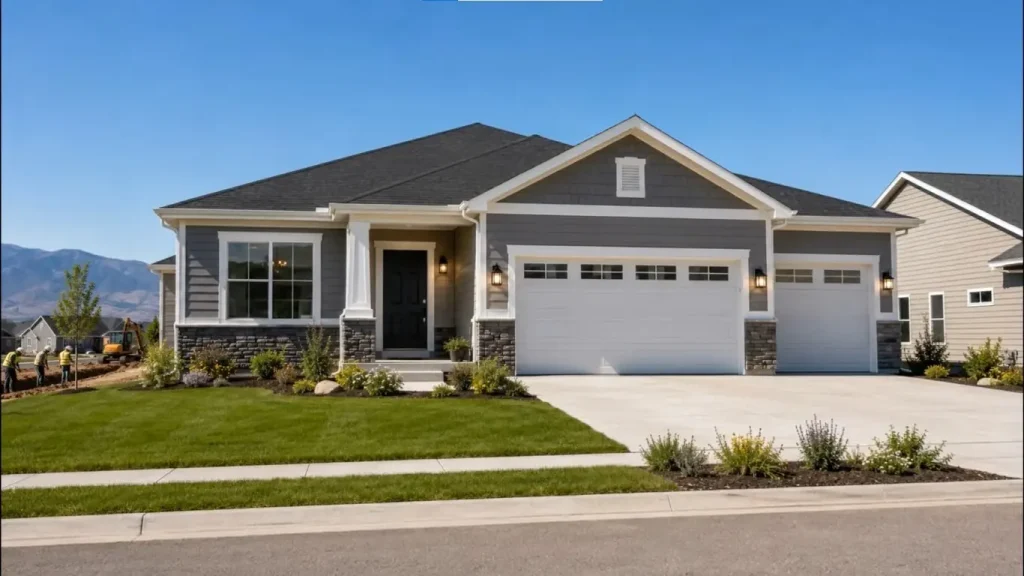
This is where the practical difference is largest for many families. In a production home, the floor plan is largely fixed, so room sizes, window locations, ceiling heights, and the relationship between indoor and outdoor space are already set. Finish selections allow personalization of surfaces, but the underlying structure and flow remain the same as neighboring homes built from the same plan.
In a custom home, the design can respond directly to how the household lives, including the number and ages of children, work-from-home needs, multi-generational living, outdoor living preferences, storage requirements, and the specific orientation and features of the lot. In Columbia’s climate, this flexibility also allows better optimization for heat, humidity, shading, and porch or screened-room placement—elements that affect daily comfort as much as aesthetics.
Semi-custom options sit between these extremes. Meaningful layout adjustments are often possible, but they remain bounded by the builder’s engineering and production systems.
Quality and Consistency
Production builders can deliver consistent, code-compliant homes efficiently. Quality depends heavily on the individual builder’s standards, supervision, and material specifications. Some production communities are well-executed; others show the effects of speed and cost control.
Custom construction quality is also highly variable and depends on the builder, the design team, and the specifications chosen. Because the work is not repeated at volume, attention to detail can be higher when the team is experienced—but there is less of the built-in process control that comes from building the same plan dozens of times. The buyer’s involvement and the clarity of the plans and specifications become more important.
Neither category automatically guarantees better craftsmanship. The reputation and track record of the specific builder matter more than the label.
Which Path Fits Which Buyer
Production (or straightforward semi-custom) tends to fit buyers who:
- Want a clearer, more predictable price and timeline
- Prefer selecting from established plans and finish packages
- Are comfortable living in a community with repeated floor plans
- Need to move on a relatively defined schedule
- Prefer less involvement in day-to-day design decisions
Custom tends to fit buyers who:
- Own or have identified a specific lot
- Have clear ideas about layout, outdoor living, or performance features that standard plans do not address
- Are prepared for a longer design and construction period
- Can support a higher and more flexible budget
- Want the house shaped around their lifestyle and the particular site
Many families in the Columbia area land in the semi-custom middle: they gain meaningful personalization without the full cost and timeline of a from-scratch custom design.
Making the Decision Locally
In the Midlands, both production communities and custom builders are active. New construction is concentrated in corridors such as Lexington, Blythewood, Irmo, Chapin, and parts of Northeast and Southeast Columbia. Production builders dominate many of the larger subdivisions, while custom and semi-custom builders often work on individual lots or smaller developments.
Climate considerations such as cooling loads, humidity control, outdoor living spaces, and durable exterior materials apply to every new home here. Custom design simply gives more room to address those factors specifically for the lot and the household. The real difference between custom and production is the degree of design control, the cost structure from volume versus one-off work, the length and predictability of the timeline, and how closely the finished house matches the way the buyers actually want to live.
Clarify which of those factors matter most to you, then evaluate specific builders and communities against those priorities rather than against the labels alone. That approach leads to clearer expectations and a better long-term fit, whether the path is production, semi-custom, or fully custom.
Ready to Choose the Right Path for Your New Home?
The real difference between custom and production is not marketing language. It is the degree of design control, the cost structure, the timeline, and how closely the finished house matches the way you actually want to live.
If you are weighing production, semi-custom, or fully custom options in the Columbia area and want help clarifying which path fits your lot, budget, and lifestyle, local experience can make the decision clearer. Contact us to discuss your situation.