Living in Columbia vs Suburbs: Which Area is Better for Families?
Families deciding where to live in the Midlands usually weigh the same factors: schools, space, commute, safety, and daily convenience. The city of Columbia and its surrounding suburbs each offer clear strengths and trade-offs. The better choice depends on what matters most to your household rather than a universal ranking.
This comparison draws on current housing patterns, school performance data, and livability rankings to help families make a practical decision.
Housing and Space
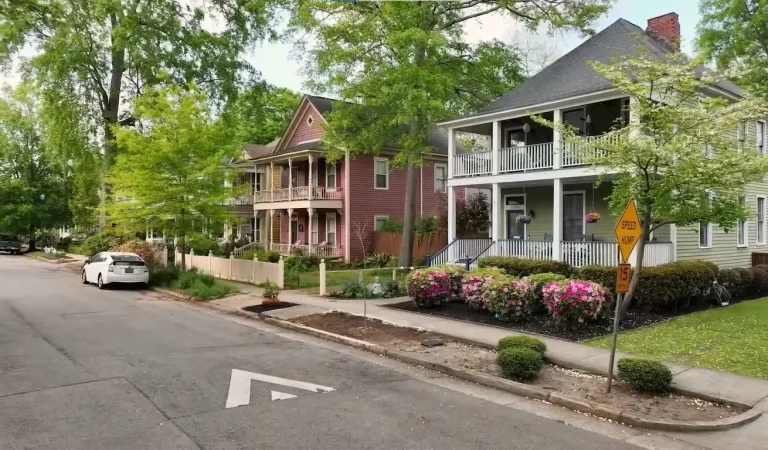
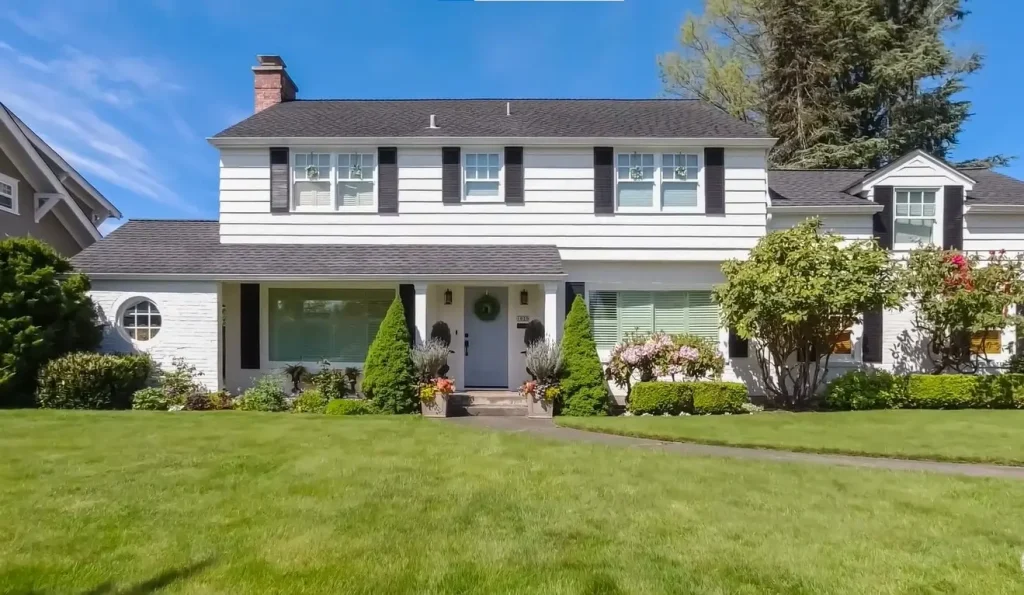
City neighborhoods such as Shandon, Forest Acres, and parts of Rosewood feature a mix of older homes, bungalows, and some newer construction. Lots are typically smaller, and the streetscape often feels more established. Walkability is higher in these areas, and many homes sit closer to parks, restaurants, and daily services.
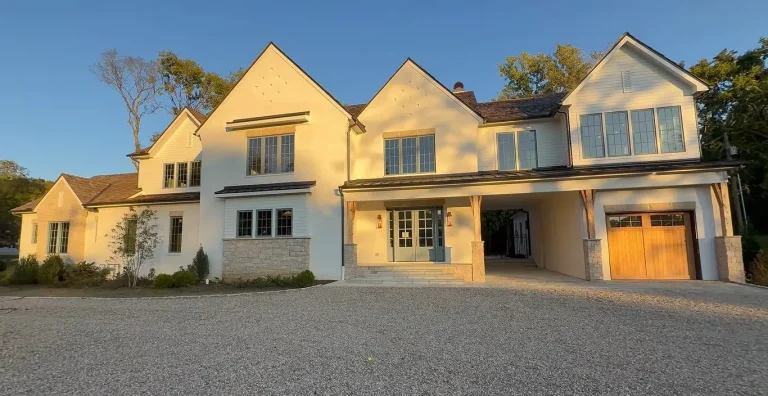
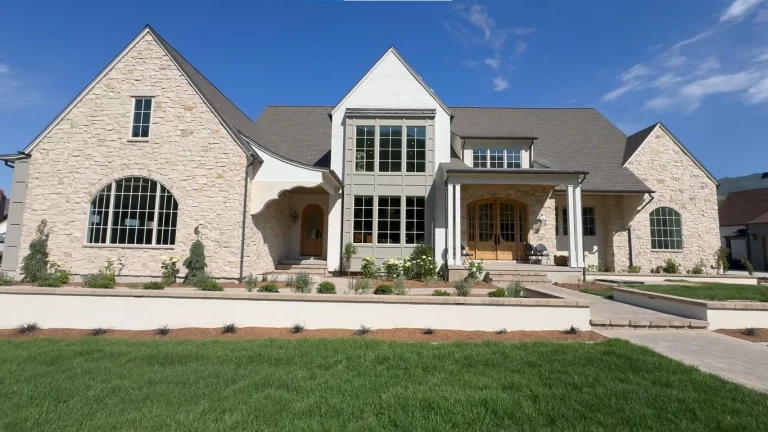
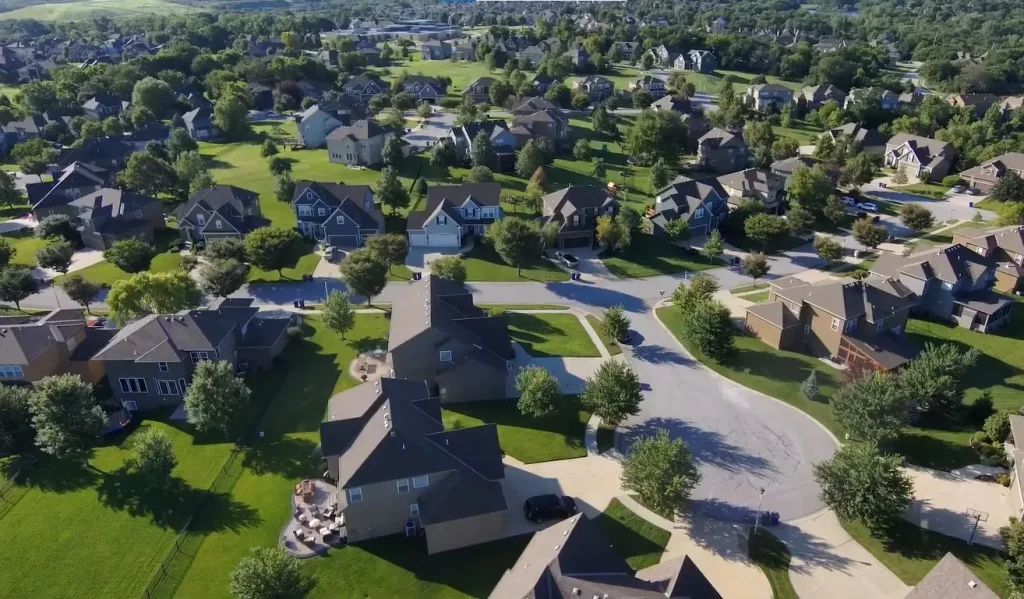
Suburban communities—Lexington, Irmo, Chapin, Blythewood, and parts of Northeast Columbia—generally provide larger lots and more single-family homes built in recent decades. Newer subdivisions often include modern floor plans, attached garages, and yards suited for children and outdoor activities. Families who want room to expand or simply more outdoor space tend to find more options outside the city core.
Home prices vary widely within both the city and the suburbs. Some established city neighborhoods command premium prices for location and character, while certain suburban corridors offer strong value relative to school quality and lot size. Looking only at metro-wide medians can obscure these local differences.
Schools
Public school performance is one of the strongest factors guiding family location decisions in the Columbia area. Recent state assessment data and district rankings show clear patterns. Lexington School District One and Lexington-Richland School District Five (serving Irmo and Chapin) consistently rank among the higher-performing systems in the region and the state on SC READY results.
Richland School District Two, which covers much of Northeast Columbia and Blythewood, also posts solid results and includes several highly regarded schools. Richland One, which serves much of the city proper, shows more variation. Some individual schools and magnet programs perform very well, but overall district averages generally trail the top suburban systems.
Families who prioritize consistent public school ratings often lean toward Lexington, Irmo, Chapin, or Blythewood for that reason. Private school options exist throughout the metro and can change the calculation for some households.
Lifestyle and Daily Convenience
Living closer to the city shortens drives to downtown jobs, the University of South Carolina, Riverbanks Zoo and Garden, the Vista, and many cultural events. Neighborhoods like Forest Acres offer a quieter residential feel while remaining relatively central. Greenways, parks, and river access are available without long travel times.
Suburban living usually means quieter streets, greater separation from nightlife and student activity, and easier access to Lake Murray in places such as Irmo and Chapin. Youth sports, shopping, and family-oriented amenities are well developed in Lexington and surrounding areas. The main trade-off is often a longer commute into the city core, depending on exact location and traffic on major corridors.
Newer suburban neighborhoods frequently include homeowners associations that maintain common areas. Some families value this structure; others prefer to avoid the associated fees and rules.

Safety and Community Character
Livability rankings that factor in crime data, schools, and family amenities regularly place several suburbs near the top of Columbia-area lists. Lexington, Forest Acres, Irmo, Chapin, and Blythewood frequently appear among the stronger options for raising children according to platforms that aggregate public data and resident feedback.
Individual city neighborhoods can still feel safe and cohesive, particularly established residential areas with active local communities. Broad city-versus-suburb labels do not capture every street. Visiting at different times of day and talking with current residents remains the most reliable way to assess fit.
Commute and Practical Costs
Commute tolerance varies by family. Households with jobs downtown or at major institutions often prefer city or near-city locations. Those working in growing areas north of the city, including corridors influenced by major employment projects, may find Blythewood or Northeast Columbia more practical.
Property taxes, insurance, and utility costs differ by jurisdiction and by the age and efficiency of the home. Newer construction with better insulation, windows, and HVAC systems can reduce ongoing energy expenses in Columbia’s long cooling season, regardless of whether the home sits inside the city or in a suburb.
Who Typically Prefers Each Setting
City or near-city locations often work well for families who prioritize:
- Shorter drives to work, entertainment, and cultural amenities
- Walkable or bikeable streets in established neighborhoods
- Proximity to the university and downtown activity
- A mix of older homes with character
Suburbs often work well for families who prioritize:
- Stronger average performance in specific public school districts
- Larger lots and more outdoor space
- Quieter residential settings
- Newer homes with modern layouts and systems
- Access to Lake Murray or expanding commercial areas
Many families ultimately choose a middle ground—places such as Forest Acres that feel suburban yet remain close to the city, or established sections of Lexington and Irmo that balance schools, space, and reasonable commute times.
How to Decide
Start with clear priorities. Rank the importance of school district, lot size, commute length, home age and condition, and access to specific amenities. Drive the routes at typical commute times and visit neighborhoods on weekdays and weekends. Look at actual property tax records and insurance estimates for specific homes rather than relying only on averages.
New construction remains more readily available in several suburban corridors. Lots and builder options allow families to select layouts and energy features suited to current needs. In the city, choices more often involve existing homes or smaller infill projects.
Both Columbia and its surrounding suburbs support family life. The stronger choice is the one that matches your daily realities and long-term plans. Clear priorities can lead to better decisions than general rankings or short-term market conditions. Local knowledge of schools, lots, and construction options can help you find the right place for the life you want to build.
Ready to Explore?
If you are comparing specific neighborhoods or thinking about building a new home in the Columbia area, we can help you weigh the practical differences with real local experience. From school districts and lot sizes to modern floor plans that fit how families actually live, the right location makes a lasting difference. Reach out, and we’ll walk through the options that match your priorities.