Outdoor Living Spaces: Patios, Porches & Backyards for Columbia Homes
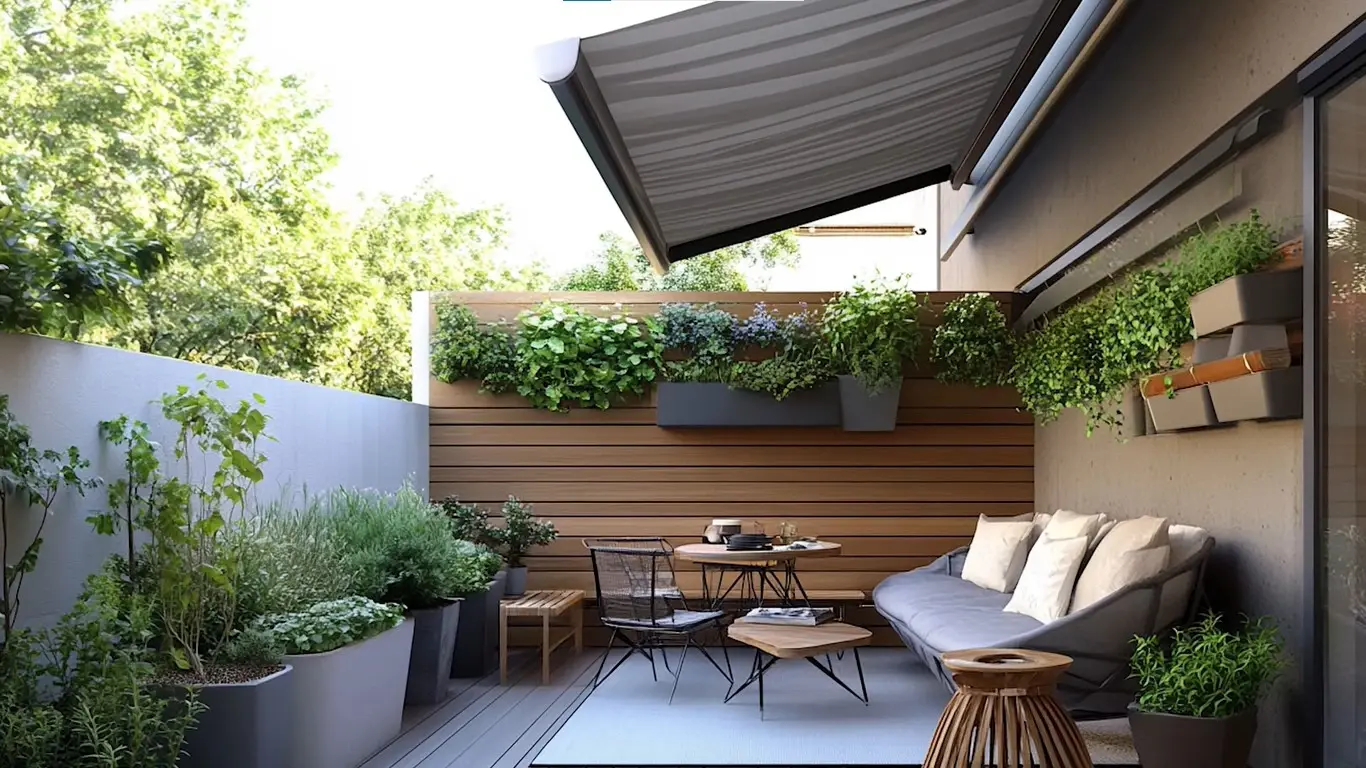
In Columbia, outdoor living is not optional for many families—it is how people cook, gather, and escape the indoors for much of the year. The challenge is that the same climate that encourages outdoor time also works against poorly designed spaces. Long, hot summers, high humidity, frequent afternoon thunderstorms, and persistent insects mean an open patio or untreated wood deck often sees limited use when it is needed most.
The most successful outdoor spaces in the Midlands are designed as true extensions of the house: shaded or covered, insect-protected where needed, built with materials that tolerate moisture, and connected cleanly to indoor living areas.
Why Coverage Matters More Here
Columbia summers routinely produce highs in the low-to-mid 90s with elevated humidity. Relative humidity often stays high, and afternoon storms are common from late spring through early fall. An open patio can feel uncomfortable by midday and may sit empty during peak insect season. Covered porches, screened rooms, and well-shaded patios extend the usable season significantly.
A deep overhang or full roof provides shade and rain protection. Ceiling fans improve comfort by moving air. Screens block mosquitoes and gnats without blocking breezes. Local outdoor living specialists frequently note that screened porches in the Columbia area allow families to use outdoor space through more of the spring, summer, and fall than open structures alone.
Prioritizing Lounge and Dining Zones
Recent outdoor remodeling research shows lounge or seating areas are the most common feature in renovated outdoor spaces, followed by dining areas. Homeowners are treating these zones like outdoor living rooms and kitchens rather than occasional-use decks.
Practical layouts for Columbia homes often include:
- A primary lounge or seating area protected from sun and rain
- A dining zone sized for everyday meals and small gatherings
- Clear circulation between the house and outdoor rooms
- Lighting for evening use
These zones work best when they sit close to the kitchen or main living area so food, conversation, and supervision of children remain convenient.
Material Choices That Survive Humidity and Heat
Material selection determines how long the space remains attractive and how much maintenance it demands.
Decking and flooring
Capped composite and high-quality PVC decking resist moisture, rot, and insects better than standard wood in humid conditions. Lighter colors reduce heat absorption under direct sun. Pressure-treated framing remains common for structure, but the walking surface benefits from products engineered for moisture resistance. Proper drainage and airflow under elevated decks help materials dry after rain.
Patios
Concrete (with correct base preparation, control joints, and slope for drainage) and concrete pavers perform well when installed properly. Lighter finishes stay cooler underfoot. Polymeric joint sand and solid edge restraints reduce weed growth and shifting. Natural stone or outdoor-rated porcelain can work when the substrate and drainage are detailed correctly.
Framing and screens
Aluminum or properly protected steel framing holds up better than untreated wood in persistent humidity. Fiberglass screen mesh is often preferred over standard aluminum mesh because it resists corrosion and maintains shape. Adequate roof pitch and overhangs keep water moving away from screens and seating areas.
Hardware
Hot-dip galvanized or stainless fasteners reduce corrosion risk. This detail is easy to overlook and expensive to fix later.
Shade, Drainage, and Comfort Details
Shade is non-negotiable for midday comfort. Options include extending the house roof, adding a covered porch structure, using a pergola with a solid or partial cover, or combining hardscape shade with tree canopy. Overhead coverage also protects furniture and finishes from UV and rain.
Drainage must move water away from the house foundation and outdoor living surfaces. Slope patios and hardscape appropriately. Gutters, downspouts, and positive grading prevent standing water that accelerates material deterioration and creates mosquito habitat.
Ceiling fans, outdoor-rated lighting, and thoughtfully placed outlets turn a covered space into a true evening room. In insect-heavy months, screens or strategic placement of seating away from standing water improve usability.
Landscaping That Supports the Outdoor Rooms
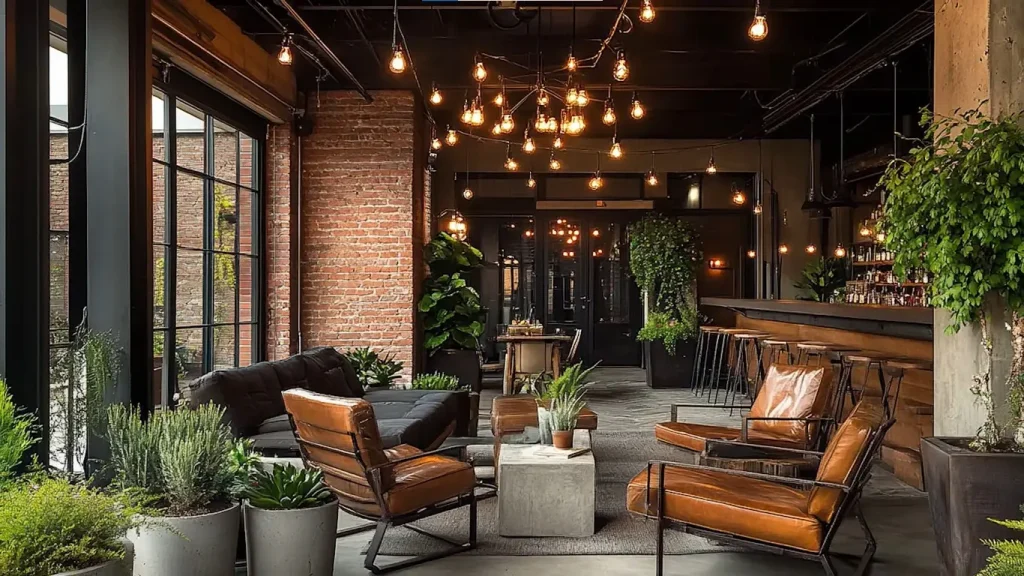
Planting should reinforce comfort and reduce maintenance. Native or well-adapted plants that tolerate local heat and occasional dry periods require less irrigation once established. Layered plantings can provide privacy screening and additional shade. Avoid dense plantings that trap moisture against structures or create standing water.
Lawns continue to shrink in many outdoor renovations as homeowners replace high-maintenance turf with hardscape, mulch, and planted beds that better support outdoor living zones.
Common Mistakes to Avoid
- Building an open patio with no shade or insect protection and expecting heavy summer use
- Choosing dark, heat-absorbing surfaces for seating areas
- Using untreated or low-grade wood in ground contact or high-moisture locations
- Ignoring drainage and allowing water to pond against the house or under decks
- Treating the outdoor space as an afterthought rather than an extension of the floor plan
Making the Investment Work
Outdoor living spaces that succeed in Columbia share a few traits: they are shaded or covered, they use materials suited to humidity and heat, they connect easily to the house, and they are designed for everyday use rather than occasional entertaining only. A well-detailed covered porch or screened room often delivers more usable days per year than a larger open patio.
When planning a new home or renovation, treat outdoor living as part of the primary design rather than an add-on. Decide early how the space will be used (daily dining, evening lounge, play supervision, quiet retreat), then match structure, materials, and landscape to that use and to the local climate. The result is outdoor space families actually occupy through the long Midlands season instead of a feature that looks good in photos but sits empty when the weather turns hot and humid.