2026 Home Design Trends That Will Look Great in Columbia
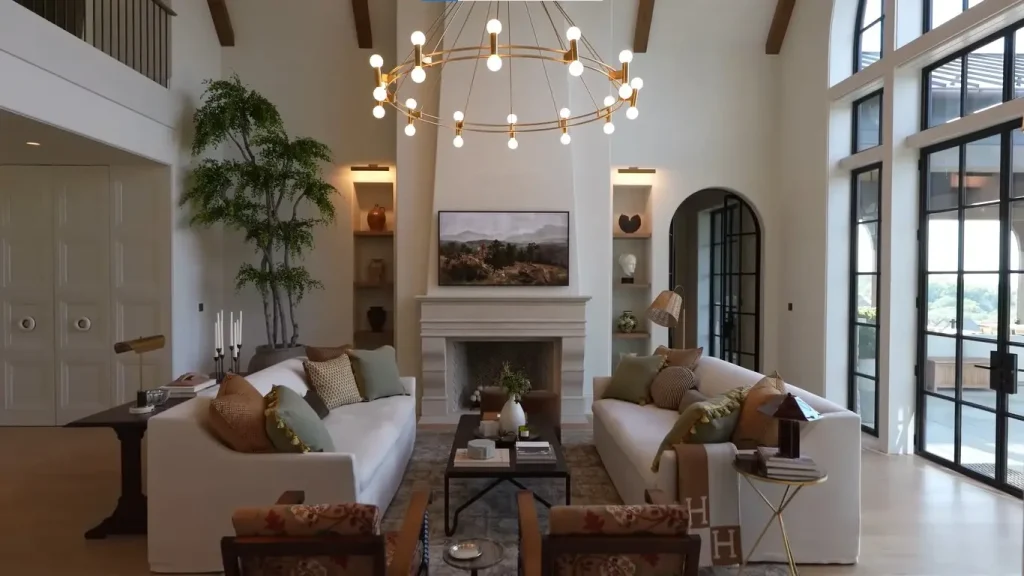
Home design in 2026 is less about chasing the next viral finish. It is more about spaces that feel comfortable, adaptable, and connected to the outdoors. National trends highlighted by the National Association of Home Builders’ Best in American Living Awards and buyer preference research line up well with how people actually live in the Columbia area. Long, humid summers, mild winters, and a preference for outdoor time shape daily life here.
Here are the design directions that make the strongest practical sense for new homes and major renovations in the Midlands.
Indoor-Outdoor Flow and Usable Outdoor Rooms
One of the clearest trends from recent NAHB design awards is the emphasis on nature-focused elements: natural light, warm wood tones, plants, and seamless indoor-outdoor connections. Judges noted that homeowners want spaces that feel like a natural extension of the outdoors.
In Columbia, this is not just aesthetic. Summers bring high heat and humidity, afternoon thunderstorms, and insects. A deep covered porch, screened room, or shaded patio with ceiling fans turns outdoor space into something families actually use for months of the year rather than a decorative deck that sits empty in July. Large sliding or multi-panel doors that open to these areas reinforce the connection without forcing the interior to overheat.
Outdoor living consistently ranks high in buyer surveys across price points. When the structure is designed with proper overhangs, drainage, and durable materials suited to humidity, it becomes one of the most valuable features a Midlands home can offer. For a deeper look at designing around local climate and daily life, see our guide on how to design a home that fits the South Carolina lifestyle.
Flex Spaces That Adapt
Multifunctional rooms continue to rise in importance. NAHB judges have pointed to homes designed so spaces can shift between work, wellness, play, and guest use. Buyers want houses that adapt as household needs change rather than locking every room into a single permanent purpose.
In practice, this often means a room near the main living area with a closet or built-ins, good light, and a door for privacy. It might serve as an office, homework zone, playroom, or occasional guest space. Some families also value the potential for a secondary suite or future accessory living space. Right-sized homes with flexible rooms tend to feel more useful over time than larger plans filled with underused formal spaces.
Warmer Interiors and Deeper Exterior Tones
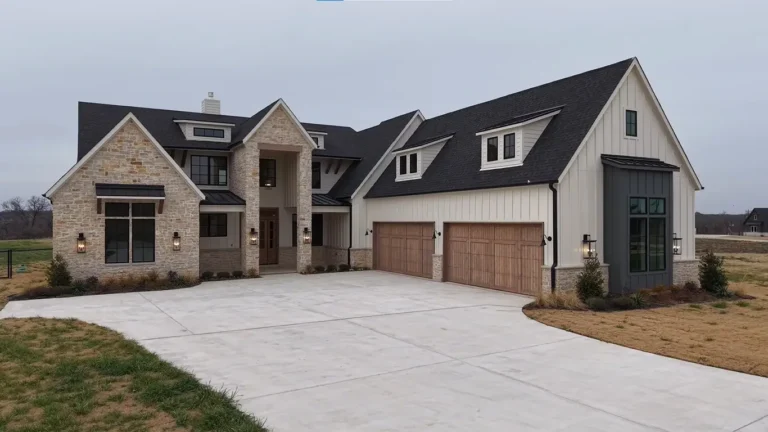
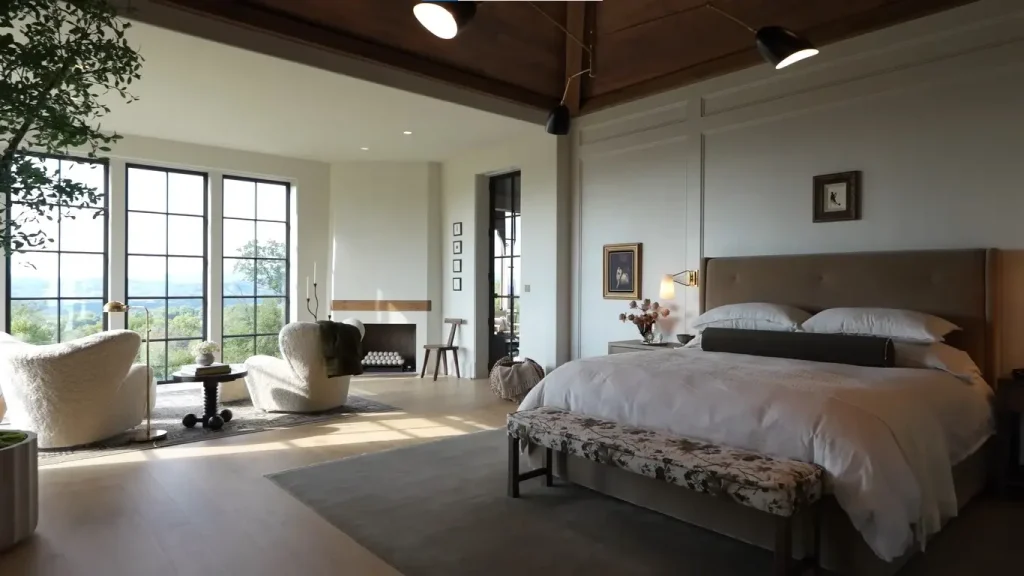
After years of predominantly white and light-farmhouse exteriors, design awards and industry commentary show a shift. Deeper exterior colors such as blacks, grays, and rich walnut tones are now preferred. These are often paired with warmer, more grounded interiors. Inside, warm woods, earth tones, and selective accent colors are replacing stark minimalism.
These directions suit Columbia well. Darker exteriors can look substantial against mature trees and landscaping common in many local neighborhoods. Warm interior materials and finishes feel comfortable in a climate where people spend significant time indoors during peak summer heat. The shift away from pure white boxes also gives new homes more visual character without relying on excessive ornament.
Functional Kitchens and Real Storage
Kitchens remain a top priority for buyers. Preference data consistently shows demand for layouts that support cooking, gathering, and daily organization—islands or peninsula seating, walk-in pantries, and enough storage to keep counters clear. Formal dining rooms continue to lose ground as families prefer flexible eating and living arrangements connected to the kitchen.
Storage overall ranks high. Laundry rooms, garage organization, mudroom or drop zones, and closet space reduce daily friction. In family homes, these practical areas often deliver more lasting satisfaction than purely decorative features.
Energy Performance as Comfort
Columbia’s climate creates substantial cooling loads. High summer temperatures and humidity mean efficient envelopes, properly sized HVAC systems that also manage moisture, and windows with appropriate solar control are practical necessities rather than optional upgrades. Buyer research continues to show interest in features that help control utility costs and improve everyday comfort.
Good insulation, air sealing, efficient equipment, and thoughtful shading (overhangs, porch roofs, landscaping) work together. Homes that stay more comfortable with less energy use simply perform better in this environment.
Dimensional Details and Natural Materials
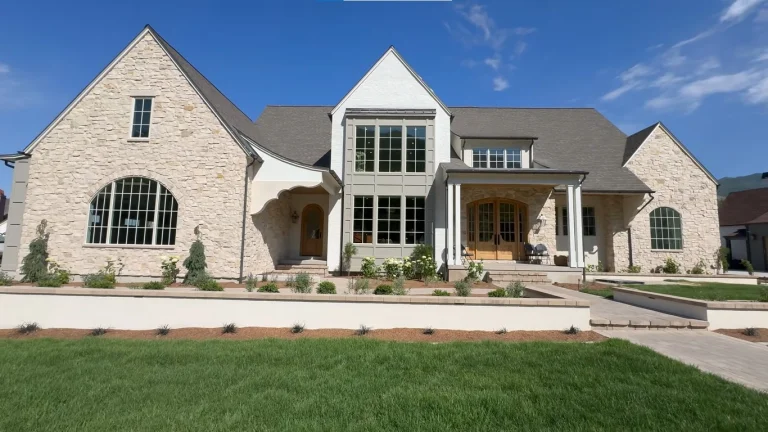
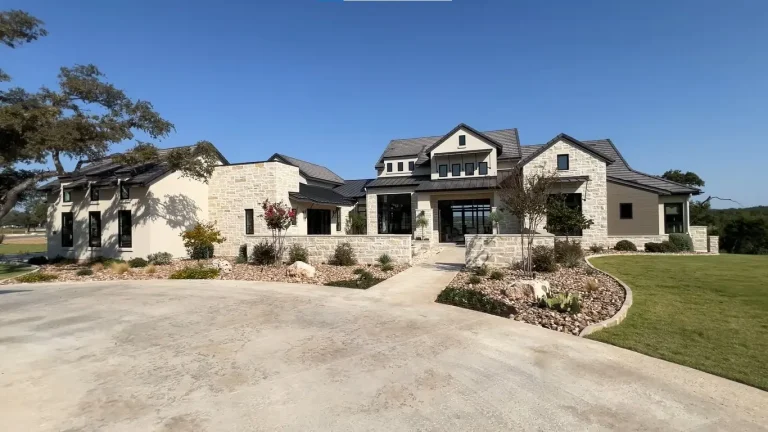
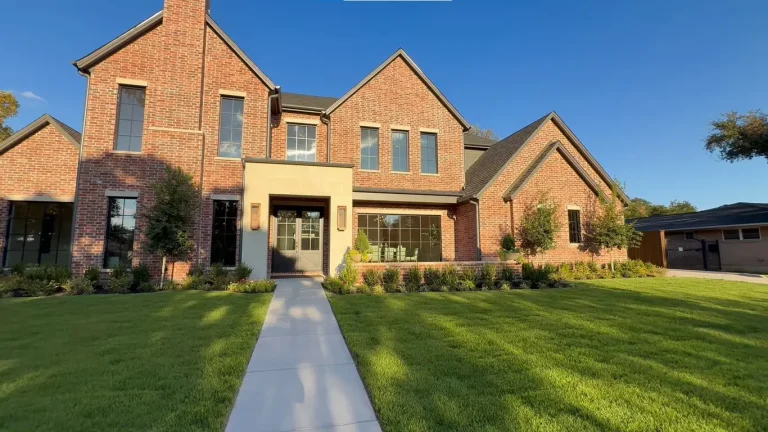
Award-winning projects continue to feature elements that add depth—arched openings, varied ceiling treatments, substantial trim, and honest use of wood, stone, and brick. These details give a house visual weight and texture without requiring large square footage.
Natural and nature-inspired materials align with the broader preference for grounded, less sterile interiors. In a humid climate, material selection also needs to consider durability and moisture resistance, especially for exteriors and outdoor structures.
Right-Sized, Efficient Plans
Average new-home sizes have moderated in recent years according to NAHB analysis of Census data. Many buyers prefer efficient plans in a practical size range that deliver the features above rather than maximum square footage with rooms that see little use. Three-bedroom layouts with two full baths remain common, and buyers are often willing to trade formal spaces for better kitchens, storage, outdoor living, and flexibility.
What Works Locally
Trends that travel well to Columbia share a few traits. They support outdoor living despite heat and humidity. They improve daily function and organization. They enhance comfort through better energy and moisture performance, and they give the house character that feels substantial rather than temporary.
Covered and screened outdoor rooms, flexible interior spaces, warmer material palettes, functional kitchens with real storage, and solid energy detailing are not fleeting fashion. They respond to how people live in the Midlands and to the climate realities that shape every season here.
When evaluating new construction or planning a renovation, focus on the features that will still make sense five and ten years from now. A home that connects comfortably to the outdoors, adapts as needs change, stays efficient in the heat, and feels grounded in its materials will look and live well in Columbia long after individual color trends move on.
Looking for home design ideas that actually work in Columbia’s climate?
The strongest 2026 directions focus on usable outdoor space, flexible rooms, solid energy performance, and practical storage. If you are planning a new home or major update, we can help you focus on the features that will still make sense years from now. Contact us to discuss your project.