How Hurricane Season Affects Home Building in South Carolina (Columbia Tips)
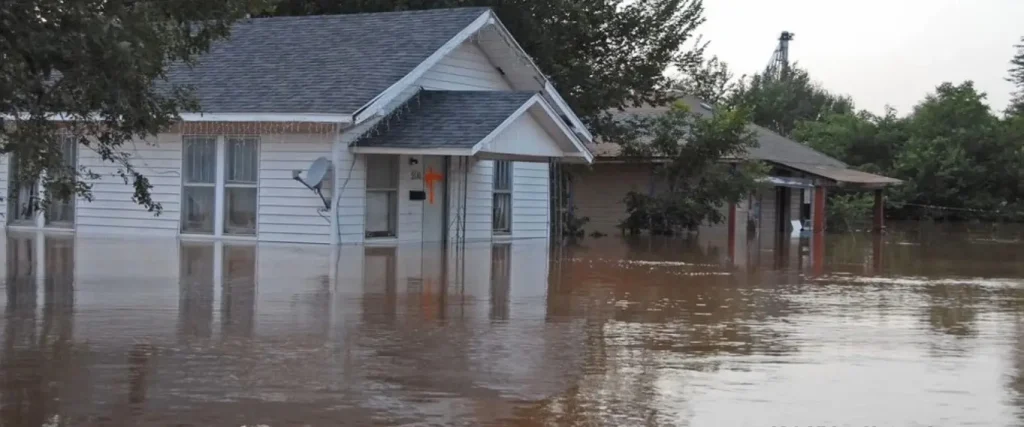
Hurricane season runs from June 1 through November 30 every year. South Carolina sits in the path of Atlantic storms. Even inland cities like Columbia feel the effects. Coastal areas face the strongest winds and storm surge.
The Midlands, including Columbia, usually see weaker winds. Heavy rain, flooding, and tropical-storm-force winds still create real risks for homes. Builders and homeowners in the Columbia area must plan for these conditions. Stronger construction reduces damage and improves long-term safety.
Understanding the Risk in Columbia
Columbia sits in the Midlands region. It is farther from the coast than Charleston or Myrtle Beach. Direct major hurricane landfalls are less common here. Tropical systems still bring problems.
Remnants of hurricanes and tropical storms often dump heavy rain across central South Carolina. Localized flooding can damage foundations, crawl spaces, and lower levels of homes. Strong winds from decaying storms can still remove roof shingles, damage siding, and break trees. Power outages frequently follow these events.
Building for these conditions makes sense even if Columbia does not face the same wind speeds as the coast.
South Carolina Building Codes and Wind Requirements
South Carolina adopts the International Residential Code with state modifications. The 2021 edition currently applies in most jurisdictions, including Columbia. The state is moving toward the 2024 code in the coming years. The code requires buildings to resist specific wind loads based on location.
Coastal zones have higher design wind speeds, often 130 mph or more. Inland areas like Columbia have lower required wind speeds, but the code still demands proper structural connections. A continuous load path is one of the most important requirements. This means the roof, walls, and foundation must connect strongly so wind forces transfer safely into the ground.
Weak connections are a common reason roofs fail in high winds. Roof sheathing must be properly fastened. Many older homes used nails that do not hold well under uplift. Modern standards call for stronger fastening patterns and, in many cases, ring-shank nails.
Key Areas That Need Extra Attention
Roof System
The roof is usually the most vulnerable part of a house in high winds. Proper attachment of the roof deck to the trusses or rafters is critical. Underlayment and shingle installation also matter.
In Columbia, builders should still follow good roofing practices even if the required wind speed is lower than on the coast. A well-attached roof performs better in any strong storm.
Windows and Doors
Impact-resistant windows and properly rated doors reduce the chance of wind-driven debris breaking openings. Once an opening fails, internal pressure can rise quickly and cause major structural damage.
In the Midlands, full impact glass is less commonly required than on the coast. Still, stronger windows and good installation improve performance during tropical storms.
Foundation and Elevation
Flooding from heavy rainfall is a real concern in the Columbia area. Proper site grading, foundation design, and drainage help keep water away from the structure.
Homes in low-lying areas or near creeks and rivers need careful attention to elevation and waterproofing.
Garage Doors
Garage doors are large and can fail under wind pressure. A failed garage door can lead to major internal damage. Wind-rated garage doors or bracing systems improve performance.
Practical Tips for Columbia Builders and Homeowners
For New Construction
Follow current South Carolina residential code requirements carefully. Pay special attention to the continuous load path from roof to foundation. Use proper fasteners and hardware rated for the design wind speed in your location.
Consider upgrading beyond minimum code in key areas such as roof attachment and window protection. The extra cost is often modest compared with the protection gained. Work with engineers and inspectors who understand local conditions. Columbia and Richland County have specific permitting and inspection processes that must be followed.
For Existing Homes
Inspect the roof regularly. Look for loose or missing shingles, damaged flashing, and signs of previous wind damage. Strengthen roof-to-wall connections where possible during a reroof. Keep trees trimmed away from the house.
Falling limbs cause a large share of storm damage in the Midlands. Improve drainage around the foundation. Clear gutters and downspouts. Make sure water flows away from the house.
Consider a wind mitigation inspection. Some insurance companies offer discounts for documented improvements such as stronger roof connections or impact protection.
Insurance and Long-Term Costs
Homes built or upgraded to higher standards often qualify for better insurance rates. Insurers look at roof age, roof attachment, opening protection, and overall construction quality.
In South Carolina, coastal properties face higher wind and flood insurance costs. Columbia properties generally see lower wind premiums, but flood insurance remains important in many neighborhoods because of heavy rainfall risks. Documenting code-compliant or above-code features can help during the claims process after a storm.
Common Mistakes to Avoid
- Relying only on minimum code without considering local rainfall and wind patterns.
- Using smooth nails instead of ring-shank nails for roof sheathing.
- Ignoring proper flashing and underlayment details.
- Blocking natural drainage around the home.
- Delaying roof maintenance until after a storm.
Looking Ahead
South Carolina continues to update its building codes. The shift toward the 2024 International Residential Code will bring further refinements to wind and flood provisions. Builders and homeowners who stay informed and build thoughtfully reduce risk. Strong connections, good materials, and attention to water management make homes more resilient.
Columbia may not face the same direct hurricane impacts as the coast. Tropical systems still test homes every season. Construction that accounts for wind, rain, and flooding performs better when storms arrive.
Final Thoughts
Hurricane season affects home building across South Carolina, including the Columbia area. Codes set the minimum standards. Thoughtful design and careful construction go further. Focus on a continuous load path, solid roof attachment, proper drainage, and quality openings.
These steps protect the structure and the people inside it. Homeowners and builders in the Midlands who plan for tropical weather create safer, more durable houses. The extra attention during design and construction pays off when the next storm moves through.
If you’re planning a new home in the Columbia area or looking to strengthen an existing one, we can help you apply these practical details from the start. Strong connections and smart design make a real difference when tropical systems move through the Midlands. Reach out to discuss options that fit your project and local conditions.