Columbia Real Estate Trends: What Home Buyers Should Know in 2026
The Columbia housing market in 2026 looks different from the rapid-price years that followed the pandemic. Price growth has slowed to a modest pace, inventory has improved, and buyers have more room to evaluate options than they did when multiple offers and waived contingencies were common. For anyone planning to buy or build in the Midlands, the current conditions reward careful preparation more than urgency.
Here is a practical overview of where the market stands and what it means for buyers.
Current Price Levels and Recent Movement
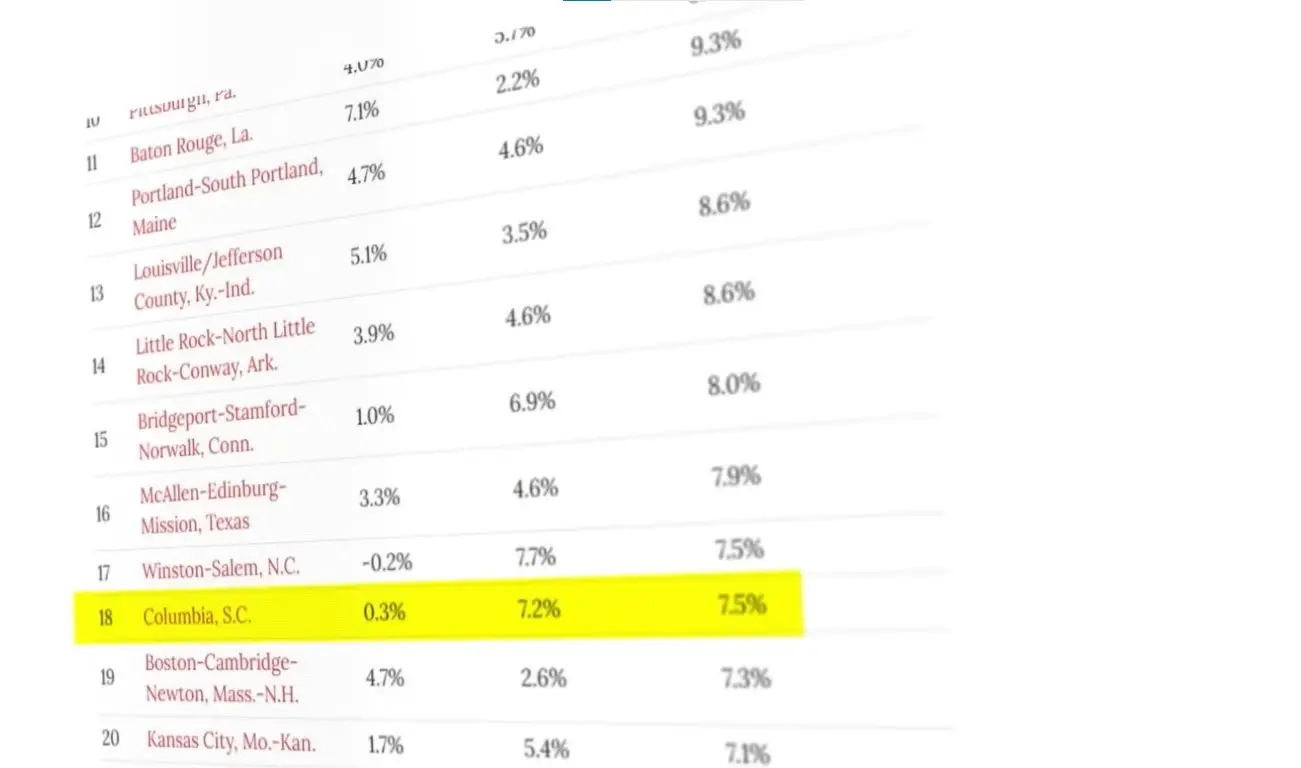
Typical home values in Columbia sit in a range that remains more affordable than many peer Southern metros. Recent data from major tracking sources place the typical home value in the low-to-mid $230,000s to mid-$250,000s depending on the exact metric and geography used (city proper versus broader metro). Median sale prices reported in mid-2026 have commonly fallen between roughly $243,000 and $280,000, with modest year-over-year increases in the 1–2 percent range.
This slower appreciation is a meaningful shift. Over the prior five years, values rose substantially—on the order of 40–60 percent according to longer-term indexes. The current pace gives buyers more breathing room while still reflecting steady underlying demand.
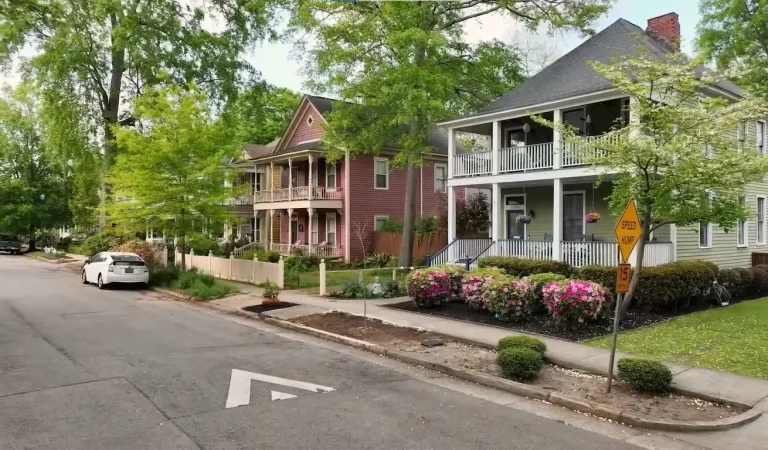
Neighborhood differences remain wide. Established areas closer to downtown or with strong school reputations continue to command higher prices, while more affordable options exist in other parts of Richland and Lexington counties. Looking only at a single metro-wide number can hide those local variations.
Inventory and How Long Homes Stay on the Market
Inventory has improved compared with the extremely tight conditions of earlier years. Active listings in the city and surrounding areas number in the thousands when measured across the broader market, giving buyers more choices. Days on market have lengthened in many reports—often landing in the 30-to-50-day range rather than the rapid turnovers seen previously.
Homes still sell, but the environment is less frantic. Sale-to-list ratios near 98–99 percent indicate that most transactions close close to asking price, yet a meaningful share of listings experience price reductions. Buyers who are prepared and realistic about condition and location often find negotiating room that did not exist a few years ago.
New Construction and Housing Supply
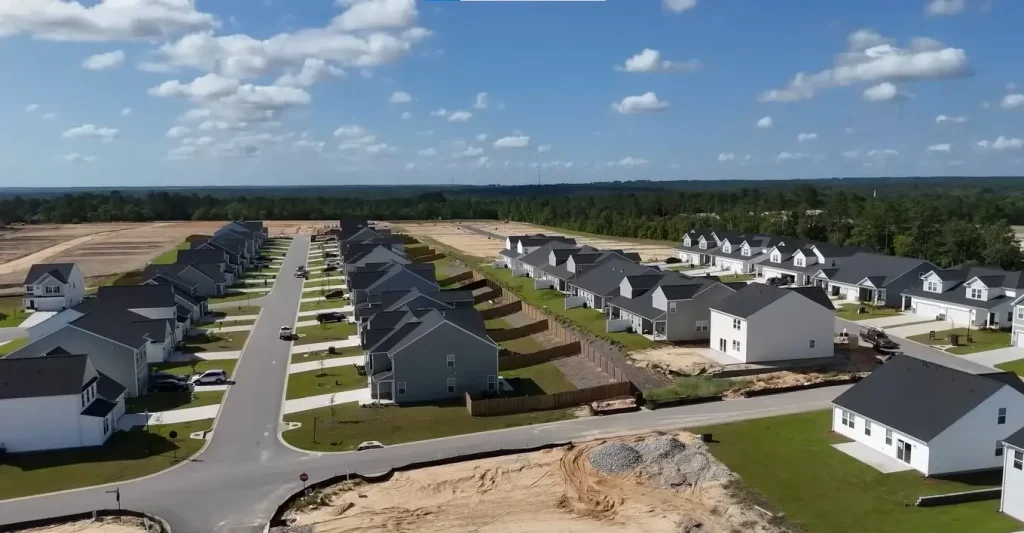
New home construction continues across the metro. Building permits remain active in both Richland and Lexington counties, and smaller subdivisions continue to move through planning and construction. Downtown and near-downtown multifamily projects have added significant rental supply, which can influence the overall housing balance even if those units are not direct substitutes for single-family homes.
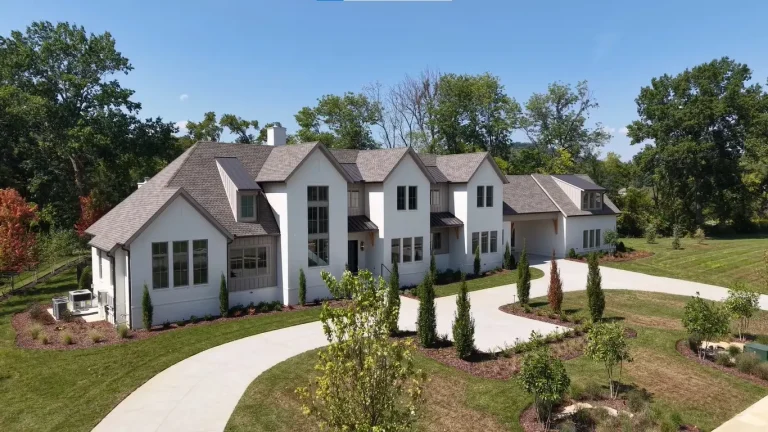
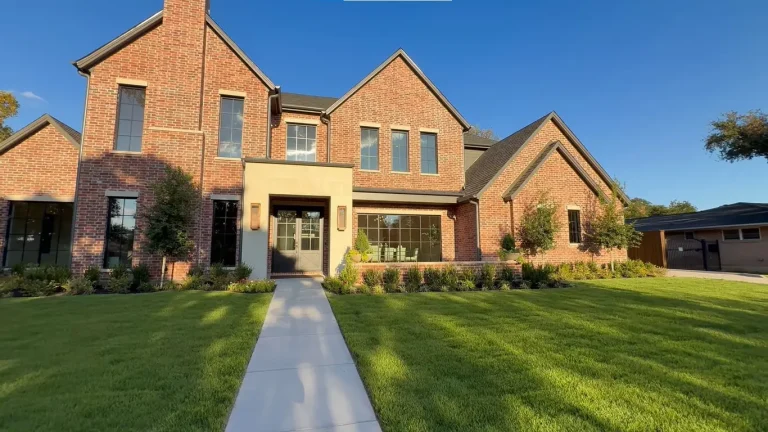
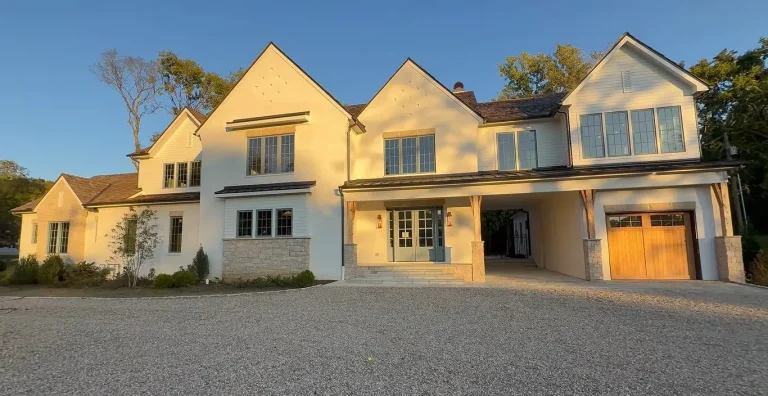
For buyers considering new construction, the current environment offers advantages: more available lots in certain corridors, greater ability to select finishes and energy features, and less pressure to decide within hours of touring. Custom and semi-custom builders can often accommodate design preferences that are harder to find in the existing inventory.

Economic Backdrop Supporting Demand
Columbia’s economy provides a relatively stable foundation. The local unemployment rate has hovered in the low-to-mid 4 percent range in recent monthly data. Construction employment has shown growth, and the region continues to benefit from state government, education, healthcare, and military-related activity. The Scout Motors project in Blythewood and related infrastructure remain longer-term factors that support housing demand in the northern parts of the metro.
These fundamentals help explain why prices have not reversed even as the broader national conversation has focused on cooling markets.
Mortgage Rates and Affordability
Mortgage rates remain the largest practical constraint for many buyers. Rates in the mid-6 percent range (and occasionally higher or lower depending on the exact week and loan type) keep monthly payments elevated compared with the low-rate period of a few years earlier. A modest change in rate can shift qualifying power and monthly cost more than a small change in purchase price.
Because rates are still well above the levels many existing homeowners locked in earlier, some potential sellers remain reluctant to move. This “rate lock-in” effect continues to limit the supply of certain existing homes and keeps inventory from expanding as quickly as it might otherwise.
Affordability is tighter for first-time buyers than for those with equity or higher incomes. Buyers who can bring larger down payments or who qualify for favorable loan programs (VA, FHA, or certain first-time buyer options) often have a clearer path.
What Buyers Should Focus On in 2026
1. Condition and true cost of ownership
With more homes available, inspection findings and future maintenance costs matter more. Older homes may require updates to HVAC, windows, insulation, or electrical systems—expenses that affect both comfort and long-term utility bills in Columbia’s climate.
2. Location relative to jobs and infrastructure
Projects such as the I-77 improvements tied to Scout Motors, ongoing Penny Tax road work, and riverfront/downtown investments will influence which areas gain accessibility and amenities over the next several years. Buyers who understand these patterns can make more durable location decisions.
3. New construction versus existing homes
New homes typically offer modern energy performance, warranties, and the ability to choose layouts that fit current lifestyles (one-level living, flexible spaces, efficient systems). Existing homes may offer established neighborhoods, mature trees, and lower entry prices in some cases. The right choice depends on priorities rather than a single market rule.
4. Realistic budgeting
Purchase price is only part of the equation. Property taxes, insurance (including any flood considerations), HOA fees where applicable, and utility costs all affect monthly affordability. Energy-efficient construction can reduce ongoing expenses in a climate that demands substantial cooling for much of the year.
5. Timing and preparation
The market no longer rewards rushing. Buyers who obtain full mortgage pre-approval, clarify their non-negotiables, and work with professionals who understand local neighborhoods and construction realities are better positioned to act when the right property appears.
Practical Outlook
Columbia’s 2026 market is more balanced than the one buyers faced a few years ago. Prices are still rising, but slowly. Inventory is better. Competition exists in desirable segments but is less extreme overall. Economic drivers remain supportive, while elevated mortgage rates continue to shape what buyers can comfortably afford.
For those planning to buy or build, the current conditions favor informed decisions over speed. Understanding the difference between citywide averages and specific neighborhood dynamics, accounting for the full cost of ownership, and aligning location choices with longer-term infrastructure and employment trends will matter more than trying to time a perfect market bottom or peak.
If you are evaluating options in Columbia or the surrounding Midlands and want clear, practical information about current conditions, available inventory, or the realities of building new, we are available to discuss the details without pressure.